As more APAC businesses set their sights on Europe 85% of them, according to a recent FedEx report the pressure to achieve SCM Logistics Mastery has never been higher. For decades, logistics and supply chains grew as disconnected systems, but that fragmented approach no longer works. Today, companies face rising costs, complex cross-border operations, and a major technology gap, with nearly 90% struggling to achieve real-time visibility. Add AI-driven transformation and the high cost of logistics in markets like Indonesia and Thailand, and it becomes clear why modern SCM Logistics Mastery skills are now a competitive necessity, not a bonus.
From Fragmented to Integrated: Building a Unified SCM System
Supply chains have long operated as a maze of disconnected systems. Procurement, warehousing, and transportation schedules existed as separate tools for decades. This fragmentation creates major blind spots in operations. Supply chain executives report that 87% of their operations are outsourced, pushing vital information out of reach for key decision-makers.
Why traditional logistics models fall short
Traditional logistics systems face many challenges, such as driver shortages, low load factors, and high barriers to urban distribution. Companies take longer to make decisions that previously took just hours or required only team coordination. The isolated approach creates inefficiencies and missed chances to optimize the entire network. Supply chains that cross borders face even more complex issues: supplier management becomes more complex, exchange rates pose risks, and procurement, customs, and warehousing processes become fragmented.
How Ship4wd supports end-to-end visibility
Ship4wd changes fragmented operations into efficient processes with its digital solution. The platform gives SMBs complete visibility of shipments, pricing, and documentation through one digital service. Small businesses now have access to live tracking, clear cost breakdowns, and round-the-clock service – features that were once limited to large companies. The platform launched a digital sourcing solution that connects to China’s wholesale marketplace, making Ship4wd a complete end-to-end system from product discovery to final delivery.
Benefits of integrated platforms in APAC
Companies can react faster and grow confidently in the ever-changing APAC markets where demand shifts quickly. Integrated platforms offer clear advantages:
- Organizations using connected models see 48% faster problem resolution and 37% reduced operational costs
- Better inventory management and accurate demand forecasting boost profits and cut waste
- Live data helps teams spot bottlenecks, reduce delays, and make smart decisions
Cloud-based supply chain management systems make these benefits even better. The market should reach USD 280.89 billion by 2030, with an impressive CAGR of 35.09%.
“Organizations using connected platforms gain faster problem resolution and reduce operational costs. Tracking performance effectively requires the right metrics the Essential Supply Chain KPIs: Measure, Analyze, Improve course teaches how to define, measure, and act on key SCM indicators for better decision-making.”

Smart Sourcing and Regional Adaptation in Asia
The global supply chain landscape faces a fundamental change. Companies used to believe that lower costs meant better competition. But five years of continuous disruptions have broken this belief. So, businesses now embrace a “cost of resilience” mindset that balances competitiveness with agility.
Understanding sourcing China and beyond
The old “China+1” strategy has quickly morphed into “China+many” as companies build production networks across several Asian countries. China remains the main manufacturing hub, but higher labor costs and trade tensions push companies to spread their risks. Ship4wd’s digital sourcing solutions help companies find alternative suppliers across Southeast Asia.
Vietnam has surpassed China to become the largest U.S. import market in 2023. Companies prefer Vietnam, Indonesia, Malaysia, and Thailand as alternatives. Foreign investment in Southeast Asia grew by about 20% between 2019 and 2023. China saw a 17% drop during this time.
Understanding trade agreements and local regulations
RCEP and CPTPP have altered the sourcing map in China. RCEP unites 15 economies that make up over 30% of global GDP. It has simplified customs procedures and helped harmonize rules of origin. Business leaders report 38% more opportunities with regional businesses as a result of these agreements.
These agreements help strengthen regional trade. More than 50% of imports and exports happen between countries in the region. All the same, rules and taxes stay complex. Companies think about indirect taxes, government incentives, and transfer pricing when choosing locations.
Balancing cost, speed, and compliance
A winning sourcing strategy needs several key elements:
- Geographic spread across multiple countries
- Dual or parallel supply chains (33% of APAC businesses create parallel supply chains)
- Tax benefits and regulatory compliance
- Local market access potential
Companies must look beyond the lowest costs. They need to focus on resilience, regulatory compliance, and market access. This balance creates supply chains that adapt during disruptions without hurting profits.
“Building a unified, resilient supply chain requires a clear strategy across sourcing, logistics, and compliance. The How to Create A Supply Chain Strategy course provides a step-by-step framework for designing a supply chain that balances efficiency, resilience, and growth.”

Tech-Driven Logistics: AI, IoT, and Real-Time Tracking
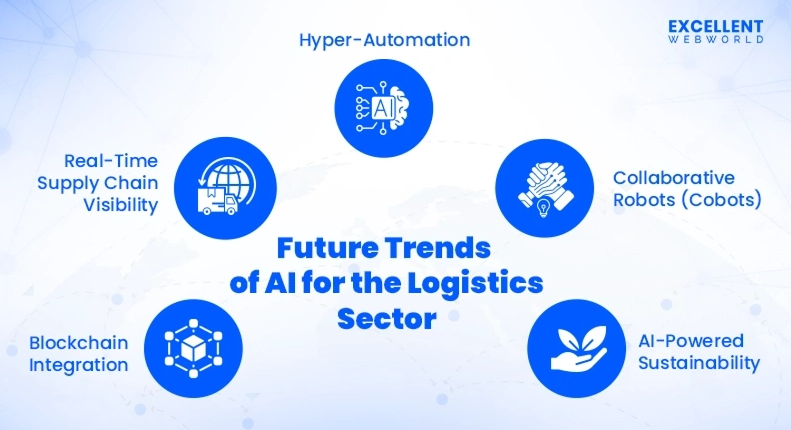
Technology serves as the backbone of successful SCM Logistics Mastery throughout Asia. Advanced solutions are closing the gap between SCM and logistics approaches. Ship4wd’s partner companies now utilize AI, IoT, and automation to maintain their competitive edge in the ever-changing markets.
“To fully leverage AI-powered route optimization, IoT sensors, and digital twins, professionals can benefit from the Supply Chain Digitalization Course to understand how to implement these technologies across complex SCM networks.”

AI-powered route optimization and forecasting
AI route optimization determines the most efficient delivery paths through advanced algorithms. The system analyzes multiple factors like traffic, weather, and delivery time windows. This technology delivers remarkable results:
- Lower fuel usage and operating costs
- Better on-time delivery rates through smart route adjustments
- Improved fleet utilization with optimized driver assignments
- Live response to disruptions like traffic jams or breakdowns
Dynamic route optimization adapts continuously as conditions change, which eliminates manual adjustments. These solutions blend with warehouse and transport management systems to optimize end-to-end order flow.
IoT sensors for shipment monitoring
IoT has reshaped shipment tracking from occasional updates to continuous visibility. 70% of Japanese logistics companies now track their assets live without manual inputs. These systems connect previously isolated assets and turn them into valuable data sources for supply chains.
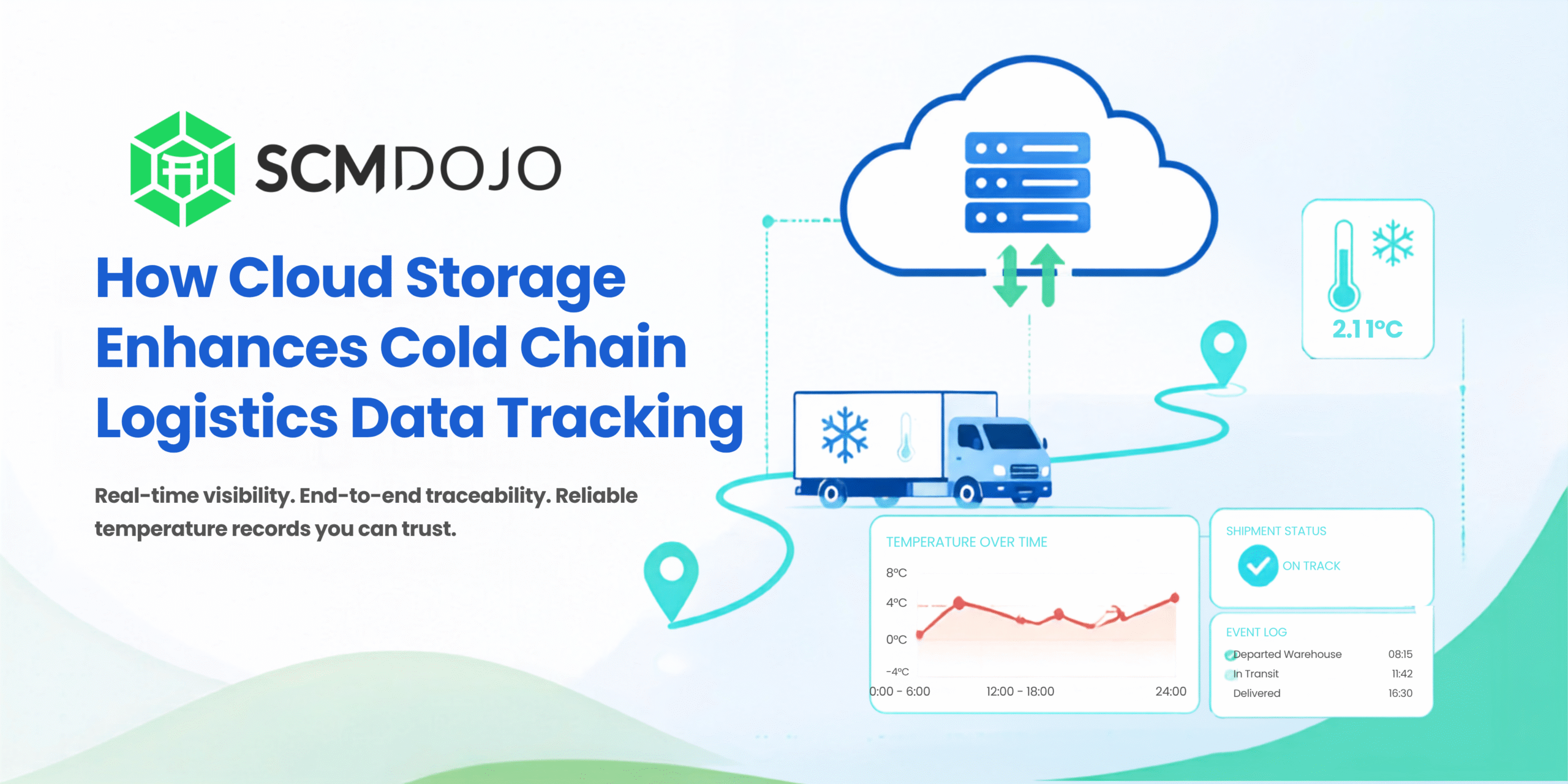
Environmental sensors monitor temperature, humidity, and shock exposure—essential for pharmaceuticals, food, and electronics. This detailed monitoring enables teams to intervene early, preventing issues from escalating and maintaining product quality during transit.
Digital twins and scenario planning
Digital twins—virtual replicas of physical supply chains—let companies simulate and optimize without disrupting actual operations. These models use AI and predictive analytics to spot bottlenecks, determine optimal inventory buffers, and handle supplier relationships.
Early adopters see 20-30% improvement in forecast accuracy and 50-80% fewer delays and downtime. The digital twin market should grow 30-40% each year and reach $125-150 billion by 2032.
Reducing manual processes with automation
Automation reduces the need for manual labor while increasing throughput in smaller spaces. Automated document generation, processing, and compliance management streamline office tasks and cut paperwork errors.
These technologies boost accuracy, remove bottlenecks, and free employees to focus on value-added work. Combined with informed analytics, automation creates smart systems that adapt and make decisions independently.
Sustainability and Customer Experience as Growth Drivers
Sustainability initiatives now drive measurable growth across SCM Logistics Mastery in Asia. Companies increasingly see lower emissions, smarter energy use, and cleaner transport as cost-control tools, not just ethical choices. Electric fleets, optimized routing, and emissions tracking reduce waste while helping brands meet regulatory pressure and partner expectations.
Customer experience plays an equally important role. Faster delivery, real-time tracking, and transparent communication build trust across borders. Predictive analytics helps prevent delays before they happen, while consistent updates keep customers informed. When sustainability and customer focus work together, supply chains become more reliable, competitive, and easier to scale.
Electric fleets and emissions tracking
FedEx added six new electric panel vans to its Hong Kong fleet as part of its journey toward carbon-neutral operations by 2040. These EVs cut CO₂ emissions by 0.85 kg per kilometer compared to diesel vehicles. Ship4wd and other logistics providers have switched to EVs because 73% of Hong Kong customers value sustainability in their service choices. Asian governments actively support this shift – Singapore plans to eliminate internal combustion engines by 2030, while Japan aims to have all-zero-emission vehicles by 2035.
Predictive tools for customer satisfaction
Predictive analytics has changed how SCM Logistics Mastery and logistics companies understand customer needs. Logistics managers use algorithms that analyze historical data to predict demand and minimize risks. Research shows 70% of logistics professionals rank optimization as their top data priority. This helps them step in early to help potentially dissatisfied customers.
Transparency and trust in last-mile delivery
Network-based technology eliminates trust barriers between logistics stakeholders. A shared platform gives all parties access to the same data about delivery status, costs, and performance metrics. This visibility helps carriers prove their compliance with agreements. The technology serves as a foundation for collaboration throughout the China sourcing and delivery process.
Conclusion
Success in Asian supply chain management depends on integrating technology, regional insight, and a clear strategy. Unified systems now matter more than ever, especially after years of fragmented processes. Businesses that achieve end-to-end visibility gain faster decision-making, smoother operations, and far greater control across complex, multi-market supply chains.
Sourcing has also evolved. The shift from “China+1” to “China+many” reflects a need for resilience without losing access to China’s scale and efficiency. Trade frameworks like RCEP and CPTPP open new routes and partnerships; however, they demand careful compliance and local understanding to unlock their full value.
Technology ultimately ties everything together. AI, automation, IoT, and data-driven insights reduce costs, improve forecasting, and support sustainability goals. Companies that balance innovation with human expertise, resilience with efficiency, and growth with responsibility will be best positioned to navigate Asia’s supply chain landscape with confidence.