Everyone knows that a bad hire can be really costly to a business specially in procurement leadership capacity. When you account for hiring, training, and onboarding costs, plus the opportunity cost of not hiring a successful employee – not to mention the impact on workplace culture – hiring the wrong person can set a company back tens of thousands of dollars. This is something that people have written about widely across the vast array of blogs about talent.
It’s something we’ve been thinking about recently at Argentus. As a firm that helps companies hire at all levels, we have our ears to the ground about the costs that companies bear when procurement leadership issues have hurt their reputations in the marketplace. So particularly in Procurement – one of our core areas of recruitment expertise – what’s the cost of hiring the wrong leadership?
In short, it’s this:
“a bad hire at the junior level costs lots of money, but a bad hire at the procurement leadership level has the potential to upset the apple cart and sink a company’s reputation, making it difficult to hire at all levels below it”.
Having the wrong leader in place can create a noxious effect that filters down into senior managers, managers, sole contributors, and junior employees. Procurement sometimes struggles to get buy-in from executives and stakeholders, and having mishandled procurement leadership can make this task even more difficult for everyone in the organization.
Even if it’s a company with a storied history and a powerhouse brand as an employer, word always gets out if the wrong procurement leadership is in place within any specific function. It means that individuals won’t apply for jobs. They won’t respond when recruiters contact them about certain opportunities. At a certain point, it becomes hard to find recruiters who are even willing to help hire for open roles at the company.
Given that recruiters, especially those who work on a contingent basis, are usually all over clients trying to send them candidates, if a recruiter won’t work with a company, you know something must be wrong.
As we’ve written about a lot, the marketplace for talent in Procurement and Supply Chain is particularly tight in this strong economy. Companies are battling to bring in star performers who can enact business transformations, implement total cost of ownership models, boost their vendor and risk management, and modernize their Procurement as the function evolves for the future.
And if your Procurement leadership develops a negative reputation in the marketplace, attracting those individuals becomes simply impossible.
We should clarify what we mean by bad leadership in Procurement. We all know it when we’ve seen it, but there are a few traits that ineffective leaders have in common: quite often, they’re individuals tasked with leadership of a Strategic Sourcing organization who don’t have boots on the ground experience in Procurement. They often don’t have the war wounds to understand the function from bottom to top.
Strategy and vision are important, but subject matter expertise helps leaders gain credibility with the managers and analysts who are expected to execute that vision.
It’s not absolutely necessary for a CPO or VP of Procurement to have done every job in the function. But if they haven’t, it’s important for them to be able to be humble enough to recognize the subject matter expertise of the people they’re working with – especially if they’re expected to bring changes to the organization.
A great leader will admit the gaps in their own knowledge, and work to figure out how they can combine their strengths with those of their team. A bad leader will act like they understand every detail of every Procurement process and category – even if they don’t.
Beyond that, in our experience, the biggest issue with troubled Procurement leadership often comes down to soft skills. For a function that often comes down to negotiation, relationship-building, and getting buy-in, people skills are everything. Ineffective leaders will micromanage, yell, and show a lack of respect for junior employees. How can a leader expect to get buy-in from executives if they can’t build relationships with their own team members? The best leaders in Procurement will empower their teams to pursue cost savings, minimize risk, and increase value without watching them like a hawk.
Leadership is a topic so complex it’s inspired a cottage industry of books and academic research – so we can’t hope to address everything about how to hire effective leaders. But what can companies do to make sure they don’t risk the almost-priceless commodity of their employer brand by installing bad leadership?
Be very careful about the leaders that you hire. These individuals should either be subject matter experts or be very willing to learn from their team-members. When interviewing prospective hires, try to assess their ability to be empathetic and build consensus, and be wary about boasts that they can enact sweeping changes through their force of will alone.
If you can’t, you might be risking more than just the time it took to hire.
This is guest post from http://www.argentus.com/ – lead successfully by brilliant Bronwen Hann

Frequently Asked Questions (FAQs) About Procurement Leadership
What is the true cost of hiring the wrong person for a procurement leadership role?
While a bad hire at the junior level costs money in terms of recruiting and training, a bad hire at the leadership level can sink a company’s reputation. Poor leadership creates a toxic environment that filters down through the ranks, destroying the employer brand and making it nearly impossible to hire top talent at any level below them.
How does a bad leader affect a company’s ability to recruit top talent?
Word travels fast in the tight supply chain and procurement talent market. If a department is known for having toxic or ineffective leadership, highly skilled professionals will refuse to apply for jobs or respond to recruiters. In extreme cases, external recruiters may even refuse to work with the company because they know candidates won’t accept the roles.
What are the common traits of ineffective procurement leaders?
Ineffective procurement leaders often lack “boots on the ground” subject matter expertise and fail to understand the function from the bottom up. More importantly, they often lack the humility to admit their knowledge gaps, pretending to understand every detail of every category rather than relying on the expertise of their team.
How important are soft skills for a Chief Procurement Officer (CPO) or VP of Procurement?
Soft skills are arguably the most important trait. Procurement relies heavily on negotiation, relationship-building, and getting buy-in from stakeholders. Leaders who micromanage, yell, or disrespect junior employees destroy internal relationships, making it impossible to effectively enact business transformations or empower their teams.
What should companies look for when interviewing candidates for procurement leadership?
Companies should seek candidates who are either deep subject matter experts or possess the humility to learn from their team members. Interviewers should carefully assess the candidate’s empathy, their ability to build consensus, and their soft skills. They should be highly wary of candidates who boast that they can enact sweeping changes through sheer force of will alone.
Recommended Readings
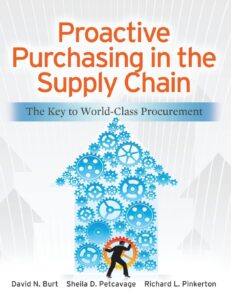
Proactive Purchasing in the Supply Chain: The Key to World-Class Procurement

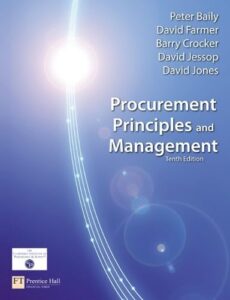
Procurement, Principles & Management (10th Edition)

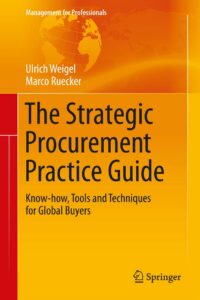
The Strategic Procurement Practice Guide: Know-how, Tools and Techniques for Global Buyers (Management for Professionals)

About the Author- Dr Muddassir Ahmed
Dr. Muddassir Ahmed is a globally recognized supply chain expert, thought leader, and keynote speaker. As the Founder & CEO of SCMDOJO, he has built one of the world’s leading platforms dedicated to empowering supply chain professionals with cutting-edge knowledge, practical tools, and access to expert insights. With over 19 years of leadership experience spanning the UK, Europe, the Middle East, and Southeast Asia, Dr. Ahmed has held key roles at Bridgestone, Doncasters Group, Eaton, and Volvo Cars, managing multi-million-dollar supply chain operations.
His expertise spans all facets of supply chain management, with a particular focus on leveraging technology and innovation to optimize processes and build resilient supply chains.
Recognized among the Top 10 Supply Chain Influencers in the World by Supply Chain Digital, Dr. Ahmed has been instrumental in shaping industry best practices through his extensive research, vlogs, and thought leadership. Holding a PhD in Management Science from Lancaster University Management School, he is also a certified Six Sigma Black Belt.
His platform, SCMDOJO, serves a vibrant community with over 51,000 monthly visitors. Moreover, he has 72,000 newsletter subscribers, and a social media following exceeding 105,000 supply chain professionals
A sought-after keynote speaker and thought leader, sharing his insights on industry trends, best practices, and the future of supply chain management. Dr. Ahmed delivers high-impact talks on supply chain excellence, digital transformation, and strategic leadership. His mission is clear: to help supply chains thrive
You can follow him on LinkedIn, Facebook, Twitter