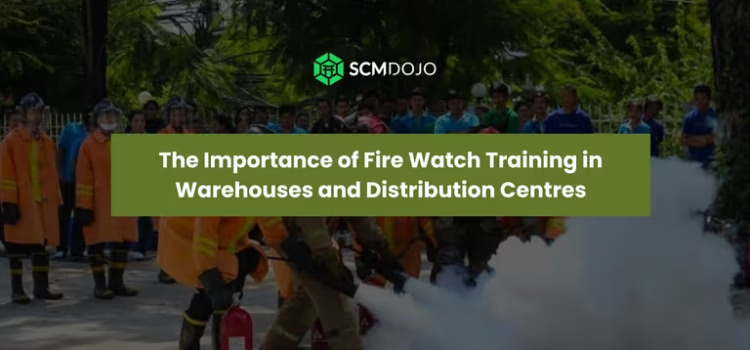
Warehouse and distribution centre fires are a major risk in high-volume storage environments. In the US, fire departments respond to over 1,500 warehouse fires each year, causing around $323 million in property damage. With large amounts of combustible materials like paper, plastics and flammable liquids packed closely together, fires can spread quickly and are hard to control. That’s why having a vigilant fire watch during any hot work or safety system outage is essential. This article covers the importance of Fire Watch Training, the role of fire watch personnel, common fire risks especially from hot work core elements of effective training, and how strong fire watch practices help prevent inventory loss, downtime, and compliance issues. It also looks at how to include fire watch in broader safety plans and SOPs, offering clear guidance for supply chain professionals, warehouse managers, safety leads, and compliance officers.
The role of fire watch personnel in high-volume storage environments
Fire watch personnel are assigned whenever there is a high fire risk, especially during hot work like welding or cutting. OSHA(Occupational Safety and Health Administration) requires a fire watch in areas where flammable materials are present, and the watch must continue for at least 30 minutes after work ends. In warehouses with tightly packed inventory, sparks can smoulder unseen, making dedicated fire monitoring essential. Fire watch personnel focus solely on spotting and responding to fire risks; they are not allowed to multitask. Their full attention is critical in large warehouses, where high fuel loads and layouts make fires harder to control, as noted by the National Fire Protection Association.
To design safer, more efficient layouts that support fire safety protocols, explore the Warehouse Design and Operations Diagnostics course — ideal for improving operational flow and reducing fire risks.

Key responsibilities of a warehouse fire watch include:
- Continuous monitoring: Fire watch personnel must observe the hot work area and adjacent spaces, including multiple levels if needed, during the operation and any breaks. They look for sparks, smoke or signs of fire; their vigilance must continue for at least 30 minutes after the job ends, as required by OSHA, to catch smouldering fires that may ignite later.
- Equipped and prepared: They must have the right fire extinguishing tools on hand and know how to use them. This usually includes portable extinguishers suited to the materials nearby, with additional tools like fire blankets or hoses when needed. If a small fire starts, they are expected to act immediately; only if the fire is clearly manageable with available equipment.
- Immediate alarm raising: If a fire starts or exceeds their capacity to control, their job is to raise the alarm without hesitation. They must know how to activate the facility’s fire system or alert emergency services and site management; their training gives them authority to stop hot work and initiate a response at the first sign of danger.
- No other duties: Their sole responsibility is fire safety; they cannot be assigned any other tasks. They are not allowed to operate machinery, handle logistics or do maintenance while on watch. Even the worker doing the hot work cannot serve as their own fire watch; a separate trained person must be dedicated to the role.
- Backup fire watch for complex areas: If hot work is done in a location with multiple rooms, concealed spaces or stacked levels, extra fire watch personnel may be needed to observe all exposed areas. For example, if sparks might fall through to a lower level or move through wall gaps, additional staff must be posted to cover those zones.
The fire watch serves as the on-site lookout during fire-risk activities; they are not firefighters, but their role is to detect danger early and act fast. In storage-heavy warehouses where fires spread quickly due to fuel-rich environments, their presence is essential for early detection and damage prevention.
Common Fire Risks in Distribution Centers and How Hot Work Contributes
Warehouses and distribution centers face several fire hazards in daily operations. Recognizing these risks is essential for managing hot work safely and effectively. Key fire risks include:
- Electrical malfunctions and equipment fires: Faulty wiring, overloaded circuits, aging lights, and overheated machines are major fire causes. A malfunctioning conveyor or a forklift charging station can spark a blaze. Around 19 percent of warehouse fires involve electrical equipment. Preventive maintenance and inspections are vital for minimizing this risk.
- Poor housekeeping and combustible clutter: Fires often start or spread due to flammable debris like cardboard, pallets, or trash. A small spark from forklift exhaust or equipment can ignite piled-up packaging. Housekeeping failures are among the top causes of warehouse fires. Keeping work areas clean, disposing of waste promptly, and storing combustibles away from ignition sources are crucial preventive steps.
- Smoking and open flames: Even in smoke-free facilities, improperly discarded cigarettes can cause fires. A smouldering butt in a loading dock can ignite packaging nearby. Open flames from pilot lights, candles, or propane torches pose additional hazards. Enforcing designated smoking zones and using safe receptacles help reduce the risk. Some warehouses adopt zero-tolerance smoking policies outside controlled areas.
- Flammable liquids and chemicals: Paints, solvents, aerosol cans, and other flammable materials increase fire risk if not stored properly. Heat or sparks can ignite these substances, especially when stored in bulk or without fire-resistant cabinets. Even common goods like alcohol-based cleaners can fuel a blaze. Segregating flammables, ensuring ventilation, and using sprinkler protection are critical safety practices.
- Hot work operations: Welding, cutting, or grinding generates high heat and flying sparks that can travel up to 35 feet. These sparks can ignite cardboard, dust, or plastic wrap. Even if ignition is delayed, smouldering particles may cause flare-ups minutes or hours later. Hot work is a known ignition source in industrial settings and accounts for about six percent of warehouse fires. Unlike constantly active systems like electrical equipment, hot work is intermittent yet highly hazardous. This makes proper controls like fire watches, shields, and hot work permits essential. Past incidents, including a fatal 2014 fire in Boston, show how easily improper hot work can turn deadly.
Core components of fire watch training
Due to the high-risk nature of the role, fire watcher training must be thorough and specific to warehouse environments. Training typically includes:
- Fire behaviour basics: Trainees learn how fires start and spread, including the fire triangle and fire stages. This knowledge helps them detect early signs like heat or smoke before a fire grows uncontrollably.
- Extinguisher use and fire types: Personnel must identify fire classes (A, B, C, D, K) and use the correct extinguisher. Training includes hands-on practice with equipment, teaching trainees how to inspect and operate extinguishers in real scenarios.
- Hazard recognition: Fire watch workers must spot risks before hot work begins. This includes identifying flammables, ensuring ventilation, clearing a 35-foot safety radius, and using shields when necessary. Recognizing unsafe conditions allows them to pause work until it is safe.
- Emergency procedures: Fire watch must know how to raise alarms, communicate clearly and guide evacuations. They are trained to alert others immediately and coordinate with firefighters without delay. They are also taught when to fight a fire or when to evacuate.
- Roles and regulations: Training stresses that fire watch personnel have the authority to stop unsafe work. They are made aware of OSHA(Occupational Safety and Health Administration) and NFPA(National Fire Protection Association) requirements and learn about site-specific reporting protocols.
- Warehouse-specific training: Scenarios may include navigating tight aisles or understanding sprinkler systems. This ensures fire watch duties are adapted to real warehouse conditions.
Fire watch training goes beyond lectures; it includes written exams and hands-on practice with firefighting equipment. Trainees often need to score at least 75 percent and demonstrate proper extinguisher use.Due to the role’s importance, many employers require refresher courses every one or two years to maintain skills and stay current with regulations. Certified programs, such as FMTC Safety’s OSHA-aligned course, teach key topics like site evaluation, fire prevention and hot work monitoring. Whether using an external provider or building an in-house program, investing in quality training is essential for any warehouse operation.
How fire watch prevents inventory loss, downtime and compliance failures
Investing in fire watch training leads to clear operational benefits:
- Limiting inventory loss: Fire watch staff detect and suppress small fires before they destroy inventory. A single extinguisher can prevent large-scale losses and secondary damage from smoke or sprinklers.
- Reducing downtime: A small fire can shut down operations for weeks. Trained fire watch response helps avoid long interruptions by acting fast, containing incidents, and satisfying post-incident reviews by insurers or fire marshals.
- Meeting regulations: OSHA and NFPA require fire watches during hot work or system outages.
To build a stronger risk mitigation plan and business continuity strategy for warehouse operations, explore the Risk Management and Business Continuity Tactics in Supply Chain course.

Having a trained fire watch ensures you meet these obligations, avoid penalties, and protect your company from liability claims.
- Protecting workers: Fire watch practices save lives by allowing for faster evacuation and fire control. This protects staff, improves morale, and reduces legal and insurance risks.
Effective fire watch programs support warehouse resilience by preventing fires before they grow, reducing damage, and ensuring safety standards are met.
Integrating fire watch into warehouse safety plans
To be effective, fire watch procedures must be embedded into safety systems:
- Use a hot work permit system: Require permits for any job involving open flames or high heat. Assign a permit authorizer, include fire safety checks, and ensure outside contractors comply.
- Include fire watch in safety plans: Your Emergency action plan should clearly define when a fire watch is needed and who is responsible during system outages or hot work.For a deeper understanding of how to integrate safety measures like fire watch into daily warehouse processes and SOPs, check out the Modern Warehousing & Distribution Centers: Operations and Management course.

- Train and designate personnel: Identify and prepare employees to act as fire watch. Maintain a roster and ensure coverage during all shifts. Use visual identifiers like vests when they are on duty.
- Equip properly: Fire watch personnel need radios, extinguishers, and quick access to fire safety tools. SOPs should specify which equipment to use and where to get it.
- Plan proactively: Include fire watch in project schedules and maintenance plans. Use logs or checklists to confirm regular patrols and compliance.
- Test and improve: Run drills that simulate fire scenarios with fire watch involvement.
Use the Warehouse Safety Audit Tool to assess and enhance your fire safety readiness, SOP adherence, and warehouse risk zones before hot work begins.

Review outcomes to update procedures and training.
- Foster management support: Leadership must backfire watch efforts. Do not let deadlines override safety. Celebrate good practices and create a culture that values prevention.
Strong fire watch integration keeps safety visible and actionable. It encourages accountability and ensures hazards are always monitored.
Conclusion
Fire watch training is essential in preventing warehouse disasters in high-volume storage settings where a single spark can lead to massive losses. Fire watch personnel act as early responders who stop fires before they grow. For supply chain leaders, this is a practical step to protect assets and staff.
In the competitive world of distribution, fire watch is a safeguard for your team, your inventory and your reputation. Work with trusted training providers like FMTC Safety, review your hot work policies and reinforce a culture that treats fire watch as essential. When fire risk rises, a well-trained fire watch stands between safety and catastrophe.
For ongoing performance improvement and risk control, try the Best Warehouse Audit Tool — a practical solution to identify fire hazards, safety gaps, and workflow inefficiencies.