Companies ship vehicles for routine business reasons. An executive relocates, a dealership trades inventory, a branch rebalances pool cars, or a demo unit needs to reach an event. The process can become complicated when a truck arrives outside the expected window, a vehicle is damaged, or a claim lacks supporting documentation.
A compliance-focused process can reduce these risks without adding much work. The priorities are straightforward: identify every party’s role, verify operating authority and insurance, document vehicle condition, and build flexibility into the schedule.

Key takeaways
- Know who is responsible for each step. A broker arranges transportation, while a motor carrier physically transports the vehicle.
- Verify authority and financial security. FMCSA’s broker and freight forwarder financial responsibility requirements carry a January 16, 2026, compliance date and a $75,000 security requirement.
- Confirm cargo coverage. Operating authority alone does not prove that appropriate cargo insurance is in place.
- Use the bill of lading as evidence. Photograph and record vehicle condition at pickup and delivery before signing.
- Control the variables you can. Trailer type, location, seasonal demand, access, and scheduling flexibility all affect cost.
- Treat transit ranges as estimates. Add internal buffers instead of promising arrival dates you do not control.
How business vehicle shipping works
Three common models are used for U.S. vehicle transport. The main differences involve who finds the truck, who performs the move, and how much vetting the shipper handles.
A broker connects a shipper with an authorized motor carrier. Brokers can provide access to a wider carrier network, which may help with uncommon routes or changing shipment volumes. Unless the broker also holds carrier authority and performs the move, it does not physically transport the vehicle.
A motor carrier owns or operates the transport equipment and moves the vehicle. A direct carrier relationship can shorten the communication chain on frequent lanes, although one carrier may not cover every route or schedule.
A marketplace allows carriers or transport providers to bid on a posted shipment. This can improve price visibility, but the shipper may need to do more of the authority, insurance, and service-history review.
Regardless of the model, record the legal name and USDOT number of the carrier that takes possession of the vehicle. Damage claims are generally directed to that carrier and its insurer, although a broker may assist with communication and paperwork.
Compliance checks to run before booking
FMCSA’s Broker and Freight Forwarder Financial Responsibility rule took full effect on January 16, 2026. Brokers and freight forwarders subject to the rule must maintain $75,000 in financial security at all times. If available security drops below that threshold and is not replenished within seven days, FMCSA may suspend the company’s operating authority.
Insurance needs separate attention. Property carriers generally must show proof of public liability coverage to obtain operating authority, but that does not establish the scope of cargo coverage for a specific vehicle. Request current insurance documentation and check limits, deductibles, exclusions, and any restrictions on high-value or modified vehicles.
A short verification routine covers many common risks:
- Confirm active operating authority and match the company’s legal name to its MC and USDOT numbers in FMCSA records.
- Request a certificate of insurance showing the relevant limits, deductibles, and exclusions. When practical, confirm it with the listed agent or insurer.
- Review complaint patterns, recent customer feedback, and unresolved regulatory issues before signing.
- Verify the assigned carrier again when dispatch details arrive, especially if the quote came through a broker or marketplace.

The bill of lading is a key shipping record
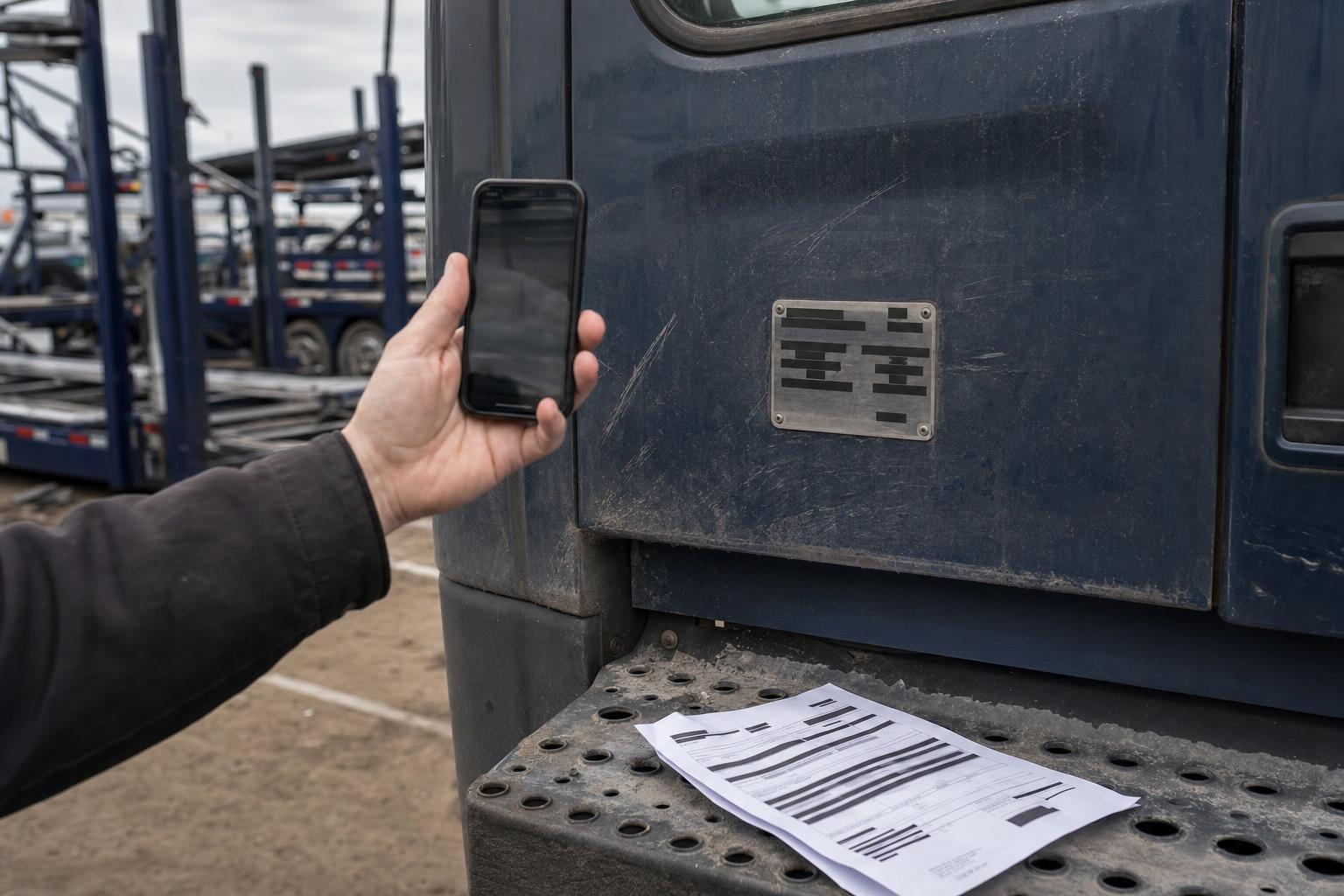
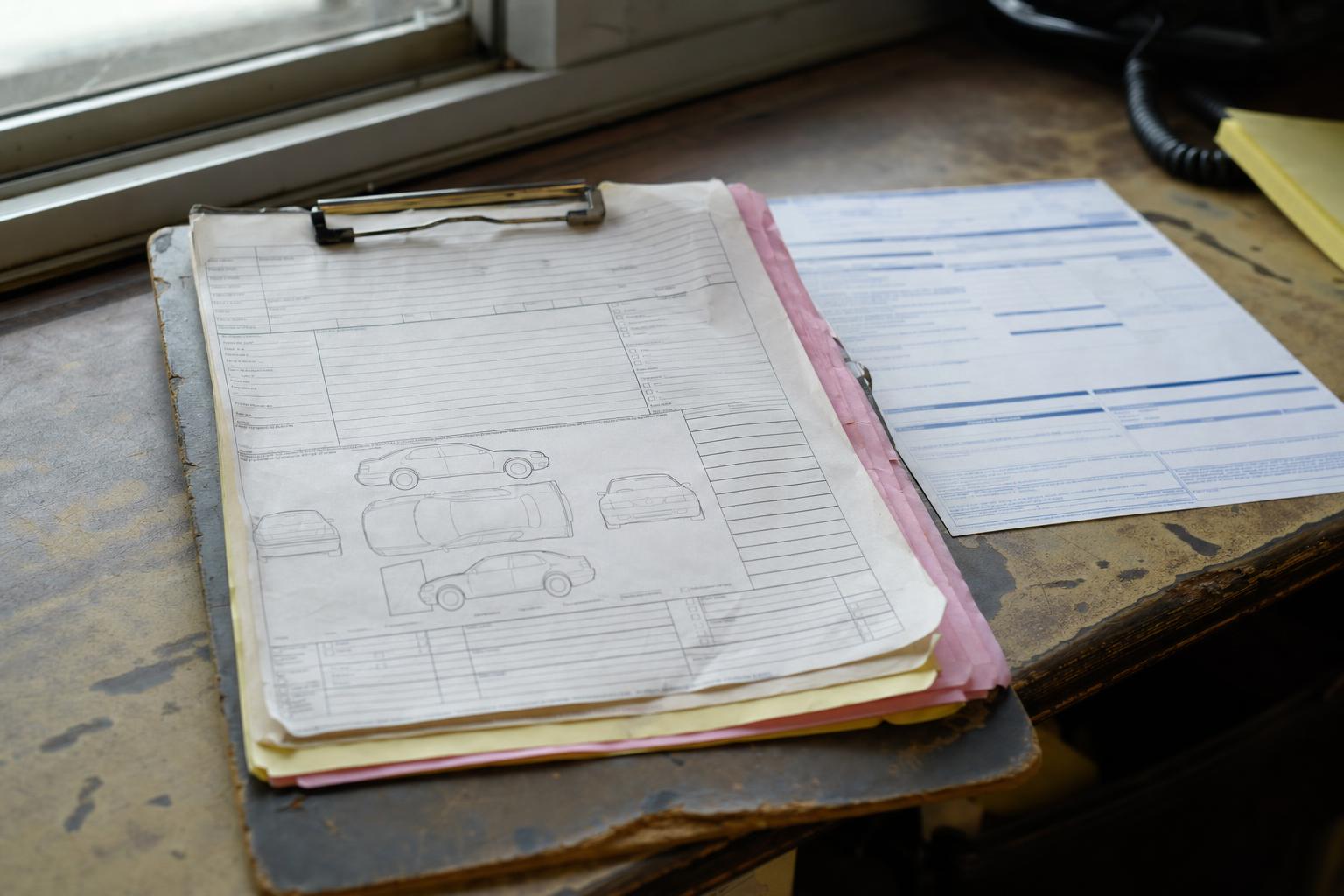
The bill of lading (BOL) records shipment details and the vehicle’s condition when the carrier takes possession. It may also reference important terms, including delivery procedures and claim requirements. Review it rather than treating it as a routine receipt.
Build a two-point inspection habit into every shipment:
- At pickup: Take dated photos of all four corners, the roof, wheels, glass, visible underbody areas, and odometer. Record every existing scratch, chip, dent, or cracked surface on the BOL before signing.
- At delivery: Repeat the photo set before the driver leaves. Note any new damage directly on the delivery copy and retain a signed version.
If damage is found, notify the motor carrier promptly and provide the signed BOL, inspection notes, photographs, repair estimates, and other requested records. Review the contract before shipping so your team knows the notice deadline and whether the terms include arbitration or another dispute process.
Cost and timing factors you can control
Rates depend on more than mileage. Busy routes between major metro areas are easier for carriers to fill. Rural locations, mountain routes, restricted roads, and narrow residential access may increase cost because they require extra time or a separate meeting point.
Season also matters. Summer relocation demand and winter snowbird routes can raise prices and extend pickup windows. Spring and fall may offer better availability on some lanes. When timing is flexible, accepting a wider pickup window is often one of the simplest ways to improve pricing.
Multi-vehicle moves have different economics. Consolidating several vehicles at one site can reduce handling and lower the per-vehicle rate. Prepare a manifest with each vehicle’s VIN, year, make, model, operating status, origin, destination, access details, and on-site contact. Accurate information helps providers select suitable equipment and reduces last-minute price changes.

Open versus enclosed trailers
Open carriers transport most standard vehicles. They offer broad availability and usually cost less, but vehicles remain exposed to weather, dust, and ordinary road debris. Fleet sedans, service vehicles, and pool cars are commonly shipped this way.
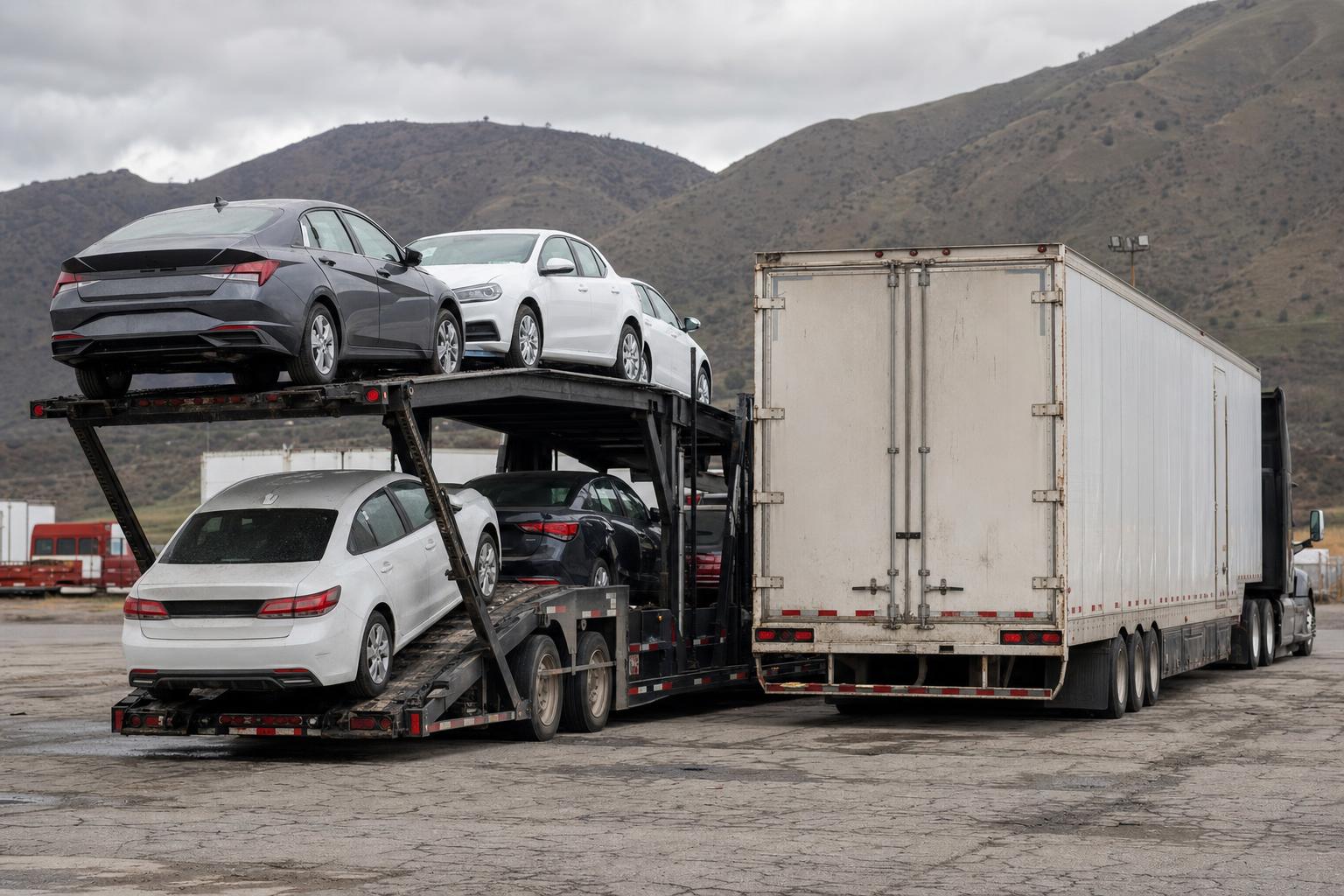
Enclosed trailers provide more protection from weather and road spray. They carry fewer vehicles and generally cost more. This option can make sense for collector cars, luxury vehicles, low-clearance models, wrapped exhibit vehicles, or any unit for which minor exterior damage would cause a significant business problem.
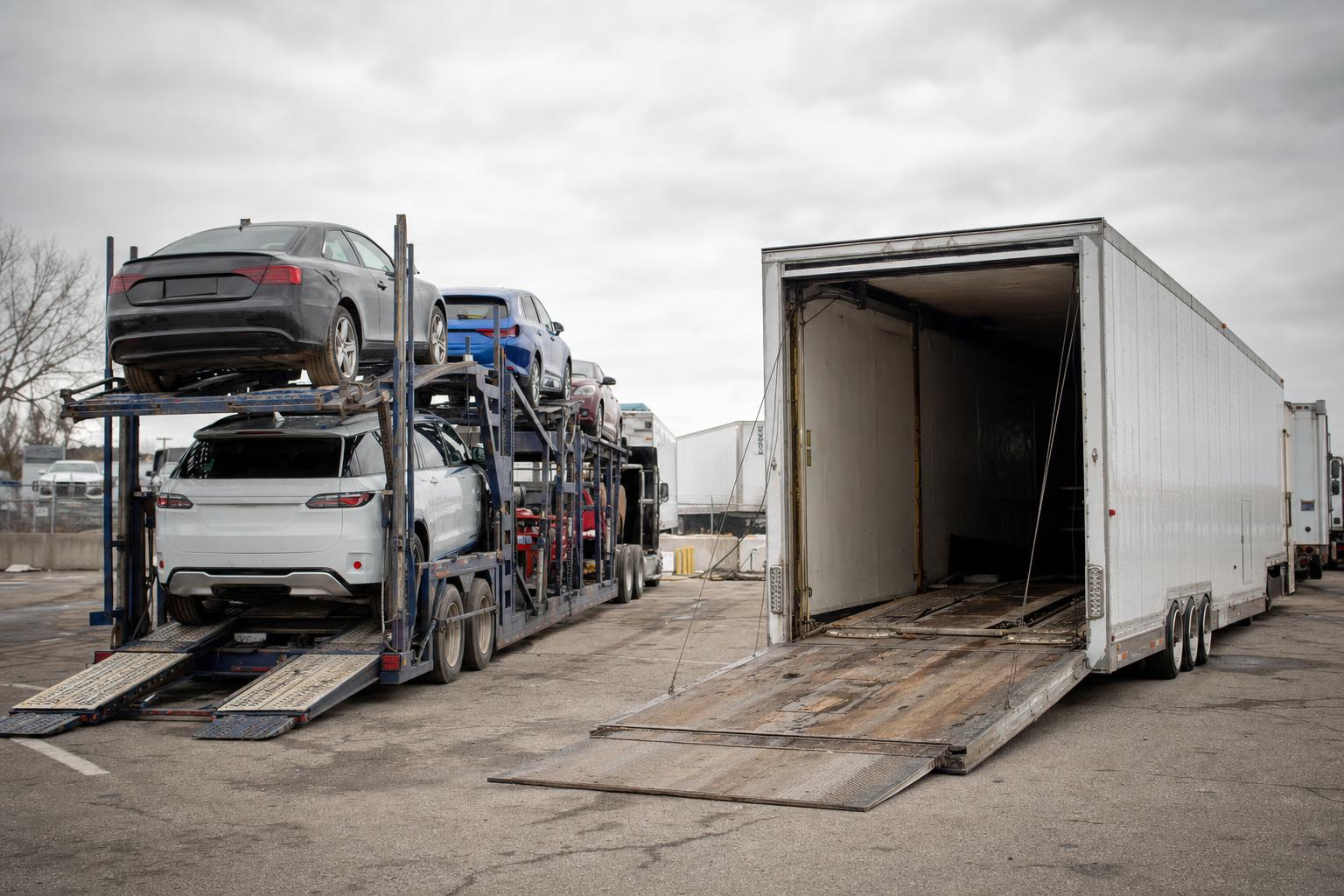
Some providers support both transport types under one arrangement. Cross Auto Transport lists open and enclosed shipping alongside handling for non-running vehicles, which matters when a fleet mixes standard units with inoperable or high-value ones. When comparing those options, confirm equipment availability, loading requirements, insurance limits and any added fee for winching or special handling.
Planning timelines without guaranteed dates
Vehicle transport often uses estimated pickup and delivery windows rather than guaranteed dates. Weather, traffic, equipment problems, earlier deliveries, and federal driving-hour limits can all change the schedule.
Add buffer days before a dealer trade must be retail-ready, a relocating employee needs a vehicle, or a demo unit is required at an event. Also name a backup contact at each location in case the truck arrives outside normal business hours. Clear access instructions can prevent delays when a large carrier cannot enter a parking garage, gated property, or narrow street.
Preparing vehicles to reduce exceptions and claims
Many avoidable disputes begin with incomplete preparation. A standard checklist helps the carrier load safely and gives both parties a consistent condition record:
- Remove company property, tools, documents, toll transponders, and devices containing business data. Loose items may not be covered by the carrier’s cargo policy.
- Leave about a quarter tank of fuel, which is usually enough for loading and delivery without adding unnecessary weight.
- Disable alarms or provide written instructions and a working key.
- Wash the exterior so existing damage is visible during inspection.
- Disclose leaks, mechanical problems, low clearance, lifts, oversized tyres, and non-running status when requesting the quote.
- Check tyre pressure, battery condition, and fluid levels before pickup.
- Store the signed BOL, photographs, driver information, carrier name, and USDOT number together for each shipment.
Comparing partners and pricing models
Look beyond the headline price. Ask how the quote was calculated, what can trigger a change, when payment is due, whether cancellation fees apply, and when the assigned carrier’s identity will be provided. A very low initial quote has limited value if the terms allow a large increase at dispatch.
A broker-managed quote can be compared with a direct carrier and a marketplace bid on the same lane. Give each option the same vehicle details and request the same trailer type and pickup window. Then compare operating authority, assigned-carrier screening, insurance documentation, payment terms, communication procedures, and the claims process on equal terms.
Bringing it together
Safe and efficient vehicle transport depends on a repeatable process rather than a single low quote. Verify authority and insurance for every shipment. Identify the carrier that will physically handle the vehicle and understand where a damage claim should go. Use the bill of lading and photographs to create a clear condition record.
Finally, provide accurate vehicle details, choose equipment based on actual risk, and keep buffers around estimated arrival dates. These steps make costs easier to compare and reduce the likelihood that delays, access problems, or missing documentation will disrupt the move.
FAQs on Business Vehicle Shipping
What is the difference between a broker, a motor carrier, and a marketplace in vehicle shipping?
- Broker: Connects a shipper with an authorized motor carrier. They arrange the transportation and help with regulatory vetting, but they do not physically move the vehicle themselves.
- Motor Carrier: The company that owns or operates the transport equipment and physically hauls the vehicle from origin to destination.
- Marketplace: A platform where carriers or transport providers bid on posted shipments. This provides price visibility, but the shipper is usually responsible for conducting their own vetting and insurance reviews.
What compliance checks should be run before booking a transport provider?
Before signing any agreement, verify the provider’s active operating authority by matching their company’s legal name to their MC and USDOT numbers in FMCSA records. You should also request a certificate of insurance to confirm the relevant limits, deductibles, and exclusions, as having operating authority alone does not prove that appropriate cargo coverage is in place.
What is the FMCSA Broker Financial Responsibility rule?
The FMCSA’s Broker and Freight Forwarder Financial Responsibility rule, which took full effect on January 16, 2026, requires brokers and freight forwarders to maintain $75,000 in documented financial security at all times. If this available security drops below the $75,000 threshold and is not replenished within seven days, the FMCSA will suspend the company’s operating authority.
Why is the Bill of Lading (BOL) important in vehicle shipping?
The BOL is a critical legal record that documents shipment details, delivery procedures, and the exact condition of the vehicle when the carrier takes possession. It serves as primary evidence in the event of a damage claim. Shippers should conduct a two-point inspection taking dated photographs and noting all existing damage on the BOL at pickup, and doing the same for any new damage at delivery before the driver leaves.
How should a business vehicle be prepared before shipping?
Proper preparation ensures safe loading and provides a baseline for accurate condition records:
- Remove company property, tools, and loose items, as they are generally not covered by the carrier’s cargo insurance.
- Leave about a quarter tank of fuel enough for loading and delivery without adding unnecessary weight.
- Wash the exterior so any existing damage is clearly visible during the BOL inspection.
- Disable alarms or provide written instructions and a working key.
- Check tire pressure, battery condition, and fluid levels.
- Disclose any leaks, mechanical issues, or modifications (like low clearance or oversized tires) upfront when requesting the quote.
Should I use an open or enclosed trailer to ship a business vehicle?
- Open Carriers: The most common and cost-effective method. Vehicles are exposed to the weather and road debris, making this suitable for standard fleet sedans, service vehicles, or pool cars.
- Enclosed Trailers: Provide complete protection from the elements and road spray. They cost more and carry fewer vehicles, making them ideal for high-value, collector, low-clearance, or wrapped exhibit vehicles where minor exterior damage is unacceptable.
What factors impact the cost and timing of vehicle shipping?
Rates are influenced by mileage, route popularity (routes between major metro areas are easier to fill and often cheaper than rural or mountain routes), access restrictions, and seasonal demand. Because transit times are estimated rather than guaranteed, having schedule flexibility and accepting a wider pickup window is often the best way to improve pricing. Consolidating multiple vehicles into a single shipment at one site can also reduce the per-vehicle rate.