Cold chain logistics are dependent on exact temperature management and constant monitoring to protect sensitive items – these items include medications, milk products, seafood and vaccines. Any break in data visibility is a cause for product loss, legal problems plus lower consumer safety. Cloud storage is now a primary technology for how companies collect, store and access this information within global supply networks – this technology allows organizations to keep a constant digital record of environmental conditions during transport and storage. The change from local systems to cloud infrastructure is a reason why companies have different methods for accountability but also operational efficiency in cold chain processes.

The Role of Digital Visibility in Cold Chain Systems
Digital visibility is necessary in cold chain logistics because it helps stakeholders understand conditions at every part of the supply route. Cloud storage supports this visibility – gathering sensor data from many locations and keeping it in one system – this process is a way to lower communication delays between warehouses, truck fleets and distribution centers. It also helps managers react quickly if temperature or humidity levels change. Companies are able to maintain steady oversight across various regions as well as time zones through centralized data access.
Improving Operational Transparency Across Networks
Transparency in cold chain logistics is a way to build trust between suppliers, distributors and users. Cloud storage platforms are a guarantee that recorded data is not stuck within single devices or sites. All stakeholders are able to see the same current information – this shared visibility is a method to lower disagreements about how products are handled and to help partners work together. It also helps organizations follow the same standards in global operations where rules are different.
Real Time Monitoring Data Flow
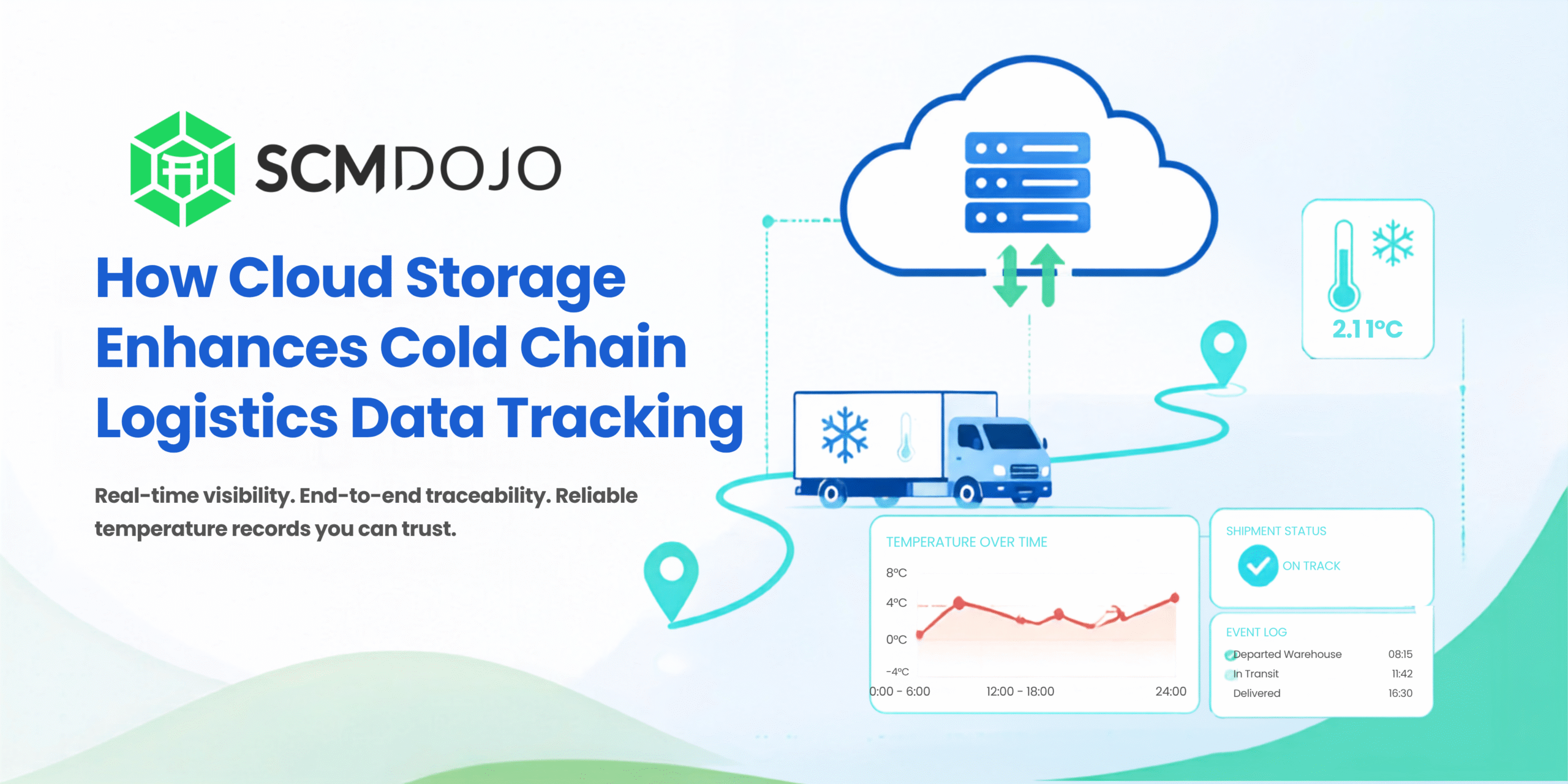
Real time monitoring is a main benefit of using cloud storage in cold chain logistics. Sensors in refrigerated trucks or storage units send data to cloud systems constantly for processing and storage – this fast flow of information is how logistics managers find possible problems before products are damaged. Systems are able to send alerts automatically if temperature limits are crossed – this constant loop of information is a way to improve response times and lower waste in supply chains that are sensitive to temperature.
Improving Decision Making Through Live Data
Access to live data is a way to improve decisions in logistics operations. Cloud storage is a tool for managers to study current conditions instead of waiting for late reports – this is helpful for changing delivery paths, adjusting storage environments or moving inventory. It also makes manual checks, which might miss fast environmental changes, less necessary. Organizations have a cold chain system that is more responsive next to helpful for protecting products.

Supporting Growth With Flexible Storage Systems
Scalable cloud systems are a way for businesses to change quickly when demand for cold chain logistics grows. During busy times or growth phases, the need for data storage is much higher. Cloud platforms change their capacity automatically to fit this growth. Some providers have unlimited cloud storage options, which lets organizations focus on work instead of planning for space – this is a guarantee that data collection does not stop.
Temperature Compliance Records
Legal compliance is a vital part of cold chain logistics, especially for healthcare and food companies. Cloud storage systems keep detailed temperature records for use during audits or inspections – these records are proof that goods were in approved conditions during storage and transport. Automated logging is a way to lower human mistakes plus make documentation steady – this is helpful for following national and international rules for temperature controlled goods.
Supporting Audit Readiness & Accountability
Audit preparation is easier when temperature data is kept in an organized cloud environment. Organizations are able to create reports quickly that show the full temperature history for certain shipments – this is a way to lower the time needed for legal checks and to improve responsibility across the supply chain. It also helps find weak spots in storage or transport that need fixing. Over time, this is a reason for better operational habits but also improved legal performance.
Risk Reduction in Transportation
Risk reduction is a major result of using cloud storage in cold chain logistics. Transport environments are hard to predict because of traffic, broken equipment or weather changes. Cloud systems are a way for companies to watch these risks as they happen and act fast when problems occur. If a cooling unit stops working, the system sends an alert immediately for quick action – this is a method to lower the chance of food rotting and losing money.
Strengthening Supply Chain Reliability
Reliability in cold chain logistics is based on the ability to keep conditions steady during transport. Cloud storage is a way to improve this reliability – giving constant access to performance data. Logistics teams are able to check how carriers perform as well as find repeating problems on certain routes or in specific vehicles – this information is helpful for better planning and choosing partners for future shipments. Over time, organizations create supply chains that are more stable and predictable.
Integration With IoT Sensors
The use of sensors connected to the internet is a reason for changes in how cloud storage supports cold chain logistics – these devices collect data on temperature, moisture or location to send directly to cloud platforms – this is a way to remove the need for typing data by hand and to lower the risk of losing important information. The mix of these devices and cloud storage is a way to create a smooth flow of information that makes tracking more accurate. It also allows for predictions based on past next to current data.
Improving Data Accuracy & Consistency
Data accuracy is much better when sensors connect to cloud storage systems. Automatic data collection is a way to lower human work and lower mistakes in reports – this is a guarantee that every record shows the true environmental conditions. Steady data collection also makes it easier to compare different shipments or times. This is a way to get better operational details and make more reliable decisions.
Scalability & Data Management
Cold chain logistics often grow into many regions plus need systems that can hold more data. Cloud storage is scalable, which means it supports growth without needing big changes to equipment. Companies are able to store many sensor records, shipment files and legal logs in one place – this flexibility is a way for logistics providers to grow without concerns about storage space or system speed. It also helps keep data for a long time for study and planning.
Improving Digital Security & Information Safety
Digital security is essential in temperature controlled logistics because data regarding shipments must be precise and protected from unauthorized alterations. Providers of remote server storage use mathematical coding, restricted entry systems and constant observation to keep temperature records plus shipping documents safe – these methods ensure that data for legal standards is reliable, which is necessary for medications or expensive goods that expire and require close supervision by authorities.
Cost Efficiency & Accessibility
Cost efficiency is an important part of cloud storage in cold chain logistics. Old data storage systems are expensive because they need physical equipment but also upkeep. A free cloud storage system is a way to lower the costs because they have flexible prices and allow remote access. Some platforms have cloud storage at no cost for small projects, which helps organizations start using digital tools without spending a lot of money – this ease of use is a reason for more companies in the logistics sector to use this technology.
Improving Operational Access Across Teams
Cloud storage is a way to make important logistics data available to different departments and sites. Workers are able to find shipment information from any approved device, which makes central offices less necessary – this is a way to improve how warehouse teams, drivers as well as managers work together. It also helps people react faster during emergencies or delays. As a result, organizations have better communication and faster decisions.
Analytics & Forecasting Improvement
Cloud storage is important for better analytics and predictions in cold chain logistics. By keeping large amounts of past temperature or shipment data, organizations are able to find patterns – this is helpful for predicting risks and making delivery routes or storage better. Predictive analytics are also a way to improve how inventory is managed – matching supply with demand – these details are a reason for long term efficiency and less waste.
Enhancing Strategic Planning With Data Insights
Strategic planning is more successful when it uses cloud analytics. Logistics managers are able to use stored data to check performance in different areas next to seasons – this is helpful for finding parts of the business that need better processes or more money. It also helps with giving resources to the right places and planning for future trucks and buildings. Over time, strategies based on data are a way to make cold chain logistics more competitive.

Conclusion
Cloud storage is a basic technology in modern cold chain logistics because it improves visibility, accuracy plus speed. It allows for the constant watching of environmental conditions, helps with legal rules and makes decisions better through access to data.
Cold Chain Logistics & Cloud Storage FAQs
Why is cloud storage essential for cold chain logistics?
Cold chain logistics relies on precise environmental control to prevent the spoilage of temperature-sensitive items like vaccines, pharmaceuticals, seafood, and dairy. Cloud storage acts as a centralized repository for real-time telemetry, allowing multi-regional teams to instantly access continuous temperature and humidity records, verify compliance, and receive instant alerts if excursions occur.
How does real-time monitoring via the cloud reduce operational risk during transport?
Refrigerated trucks and storage units equipped with IoT sensors automatically stream temperature and location data to the cloud. If a cooling unit fails or temperature thresholds are breached, the system immediately triggers automated alerts to logistics managers, allowing them to intervene, reroute shipments, or perform emergency maintenance before cargo is ruined.
What role does cloud-based data play in regulatory compliance and audits?
Healthcare and food distribution networks are subject to strict regulatory standards that require verified cold chain history. Cloud systems automatically generate tamper-evident, time-stamped environmental logs across the entire journey. This removes human error from manual record-keeping, simplifies audit preparation, and proves compliance to inspectors and customers.
How do IoT sensors and cloud integration improve data accuracy?
Direct integration between IoT sensors and cloud storage eliminates manual data entry, reducing administrative errors and data gaps. The continuous flow of automated data provides an precise, immutable record of environmental conditions across every leg of the supply chain.
How does cloud storage support long-term predictive analytics and route planning?
By consolidating historical shipment records, temperature logs, and carrier performance data in one scalable environment, logistics teams can use predictive analytics to identify risky shipping routes, forecast vehicle maintenance needs, select reliable carriers, and optimize inventory allocation for future seasonal demand.