Fleet management systems resolve route planning challenges in logistics by improving operational control, enhancing delivery accuracy, and reducing transportation costs. They streamline complex decision-making using real-time data, automation, and intelligent algorithms. Route optimization becomes faster, more precise, and responsive to changing conditions.
Every delivery involves multiple variables. These include traffic conditions, customer delivery windows, driver availability, vehicle load, and road restrictions. When managed manually, these variables lead to errors, inefficiencies, and delays. Fleet management systems automate this process, ensuring that routes are calculated, adjusted, and executed with consistency.
What Is Route Planning in Logistics?
Route planning in logistics is the process of assigning the most efficient path for delivery vehicles. This planning considers distance, travel time, fuel consumption, and constraints such as delivery time windows or vehicle load limits.
Challenges appear when delivery volumes increase, road conditions change unpredictably, or coordination among drivers becomes unmanageable. Manual route planning often fails to account for real-time traffic or unexpected delays. Fleet management systems eliminate these problems by using live data, predictive modeling, and intelligent dispatching.
Similarly, poor planning across departments creates bottlenecks — something a sales and operations planning course helps solve.
How Fleet Management Systems Solve Route Planning Challenges?
Fleet management systems combine tracking, automation, and optimization tools to address every layer of route planning complexity.
To dive deeper into the principles of efficient transportation planning and real-time route optimization, explore SCMDOJO’s Mastering Transportation Management System course. This training equips logistics professionals with practical frameworks for managing fleets, reducing costs, and ensuring compliance through smart technology.

Real-Time Tracking Improves Visibility
Fleet management systems use GPS devices to track vehicle location, speed, and movement patterns. This tracking allows dispatchers to monitor progress in real time.
When traffic incidents or weather disruptions occur, systems provide live updates. Dispatchers can reroute vehicles instantly and prevent unnecessary delays. Real-time tracking improves control and reduces uncertainty in operations.
Route Optimization Increases Efficiency
Advanced algorithms within fleet systems calculate the most efficient delivery sequence. They consider variables such as delivery time windows, road restrictions, and vehicle capacity.
These algorithms identify the shortest and fastest routes while balancing workload across the fleet. They continually re-evaluate routes based on new inputs, improving speed and fuel efficiency.
Balanced Load Distribution Enhances Utilization
Fleet systems automatically assign delivery stops to appropriate vehicles. This process ensures no truck is overloaded or underutilized.
By matching the right vehicle to each route, fleet managers improve fuel efficiency and reduce mechanical stress. Balanced load distribution maximizes daily delivery potential and minimizes downtime.
Learn how to apply these principles in our inventory planning and control course.
Predictive Traffic Data Refines ETA Accuracy
Fleet management systems use historical traffic trends and current road conditions to estimate arrival times. These systems provide accurate ETAs for each stop.
Updated ETAs reduce missed windows, improve customer satisfaction, and help dispatchers stay proactive. Customers receive more reliable delivery information, which enhances transparency and trust skills developed in our inventory planning course.
Driver Behavior Monitoring Reduces Delays
These systems record driver behavior, including hard braking, speeding, and idling. Monitoring this behavior helps identify habits that increase fuel usage or cause unnecessary delays.
Fleet managers can use this information to coach drivers, reroute based on past performance, and avoid behavior-related inefficiencies. Better driving habits lead to smoother operations.
Legal Compliance Ensures Safe Routing
Fleet systems integrate regulations such as Hours of Service rules and road restrictions into route planning. This integration prevents route assignments that violate driving time limits or use restricted roads.
Planners receive alerts when routes exceed legal driving hours or skip required rest stops. Compliance tools reduce the risk of fines and improve safety.
Scenario Simulation Enhances Planning
Fleet management platforms allow logistics teams to simulate routing scenarios. These simulations model the impact of adding new stops, changing delivery priorities, or responding to emergencies.
This capability allows planners to test outcomes and identify the best course of action. Scenario planning builds operational resilience and improves long-term decisions reinforced in our designing supply chain network course.
Integration with Order and Inventory Systems Increases Alignment
Fleet platforms connect with inventory and order management tools. This integration ensures that route planning reflects real-time product availability and order status.
Planners avoid assigning vehicles to incomplete orders or delayed shipments. Deliveries become more accurate, and resource allocation aligns with current demand.
Benefits of Resolving Route Planning Challenges
Fleet management systems create measurable operational benefits by improving route accuracy and delivery timing.
Looking to assess and improve your current delivery performance? SCMDOJO’s guide 5 Strategies For Improving Distribution Operations offers a practical roadmap and includes the Distribution Operations Assessment Tool—ideal for benchmarking route efficiency, fleet utilization, and delivery KPIs.
Reduced Fuel and Maintenance Costs
Optimized routing shortens travel distance and lowers idle time. This reduction in driving hours decreases fuel consumption and vehicle wear.
Increased On-Time Delivery Performance
Dynamic routing and real-time updates help avoid congestion and meet tight delivery windows. On-time rates improve consistently.
Higher Fleet Utilization Rates
Balanced assignments and route flexibility ensure every vehicle is used efficiently. Idle time across the fleet decreases.
Improved Safety and Legal Compliance
Automated alerts and compliance integration prevent rule violations. Systems protect drivers and reduce liability.
Better Customer Experience
Accurate ETAs and dependable delivery improve customer satisfaction. Clients trust services that operate with transparency and predictability.
Best Practices for Implementing Fleet Management Systems
Equip Vehicles with GPS and Telematics
Installation of accurate tracking devices is essential. These tools generate the data needed for real-time decision-making.
Define All Constraints Clearly
Enter rules related to load limits, delivery times, road conditions, and legal regulations. Accurate constraints help systems produce realistic and compliant routes.
Train Drivers and Dispatchers
Provide clear training for all users. Drivers must know how to follow updates. Dispatchers must understand how to manage alerts and review metrics.
Monitor KPIs Continuously
Track metrics such as delivery accuracy, route deviation, fuel usage, and response times. Use these insights to adjust strategies over time.
Regularly Review System Performance
Schedule monthly reviews to recalibrate routes, assess traffic changes, and evaluate driver behavior. Performance tuning maintains efficiency.
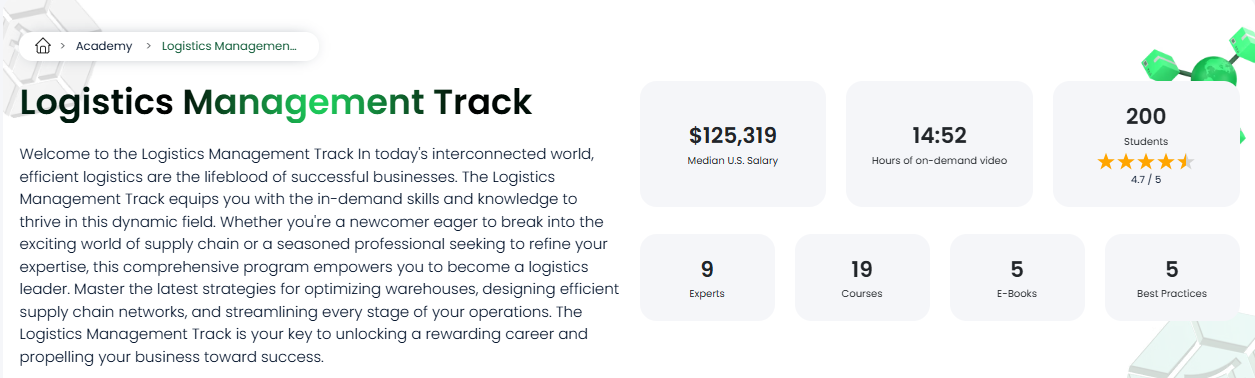
Implementing fleet systems requires skilled teams. The Logistics Management Track by SCMDOJO provides end-to-end training in transportation, warehousing, and logistics strategy ideal for professionals seeking to align daily operations with long-term efficiency goals.
Conclusion
Fleet management systems resolve route planning challenges by transforming static operations into responsive, intelligent networks. These systems enable logistics teams to monitor vehicles, optimize deliveries, and make informed adjustments in real time. By improving speed, accuracy, and control, fleet platforms increase reliability and reduce costs across the board.
Organizations that invest in these technologies gain more than just efficiency. They also gain competitive advantage something our Developing a supply chain strategy course prepares you for.