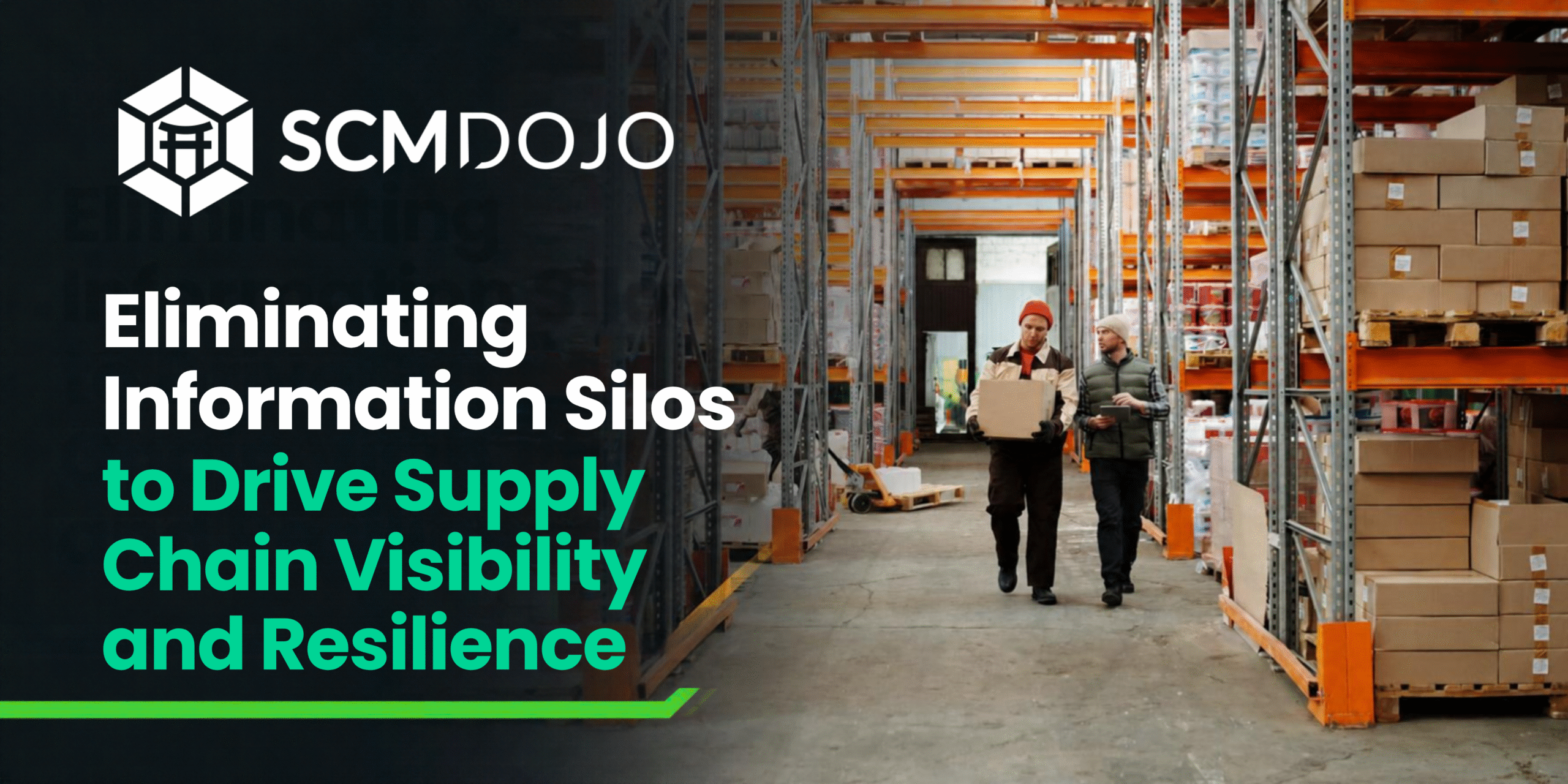
In today’s fast-paced business environment, collaboration across teams is essential for effective supply chain management. Companies can no longer operate in isolated silos where procurement, logistics, and sales departments work independently. The ability to share insights, coordinate actions, and make informed decisions in real time is the backbone of a successful supply chain. This is where supply chain visibility software comes into play, providing organizations with a clear view of their operations while fostering stronger collaboration across departments. By implementing these tools, businesses can achieve supply chain end to end visibility, streamline processes, and gain a competitive edge.
How Supply Chain Visibility Software Enhances Collaboration
One of the primary advantages of supply chain visibility technology is its ability to provide real-time data sharing across teams. For instance, procurement teams can track inventory levels, logistics teams can monitor shipment progress, and sales teams can anticipate product availability for customers. By providing everyone with the same insights, businesses eliminate miscommunication and ensure alignment on operational goals.
Using end to end supply chain visibility solutions, organizations can consolidate data from multiple sources into a single, unified platform. This ensures that all stakeholders have access to accurate and timely information, which improves decision-making speed. Moreover, supply chain visibility tools often include collaborative features such as shared dashboards, alerts, and predictive analytics that allow teams to work together proactively rather than reactively.
Improved communication is another significant benefit. When all teams are working from the same dataset, misunderstandings are minimized, and cross-department discussions become more productive. This level of transparency ensures that every action, from order fulfillment to transportation planning, is executed in harmony with the broader supply chain strategy.
If you want to learn more you can start SCMDOJO Course on Supply Chain Visibility Fundamentals.
This course teaches you supply chain visibility, its importance, dynamic and real-time visibility, and technologies for supply chain visibility.

Benefits of Collaboration in Supply Chain Operation
Effective collaboration in supply chain operations boosts efficiency, reduces silos, enhances visibility, improves customer satisfaction, and ensures adaptability. Let’s have a look at benefits of supply chain visibility:
- Faster decision-making and issue resolution ; With the help of supply chain visibility software, teams can quickly identify shipment delays or disruptions, coordinate alternative solutions, and notify customers promptly. This reduces downtime and prevents bottlenecks.
- Reduced operational silos ; By using end to end supply chain process monitoring, businesses can break down barriers between departments. Procurement, logistics, sales, and customer service teams work in unison, ensuring smooth coordination and collaboration.
- Improved overall supply chain efficiency ; When departments share information and insights, processes become streamlined. This collaboration drives consistent performance, reduces errors, and allows organizations to operate with greater agility and reliability.
- Enhanced customer satisfaction ; Transparent communication and proactive problem-solving made possible by collaborative supply chain management ensure timely deliveries, improved service levels, and stronger customer trust.
- Lower operational costs and adaptability ; With supply chain visibility tools, businesses can optimize resources, cut unnecessary expenses, and adjust quickly to market fluctuations or demand changes, maintaining long-term resilience.
The Role of Agistix in Enhancing Team Collaboration
Agistix offers a powerful platform that facilitates seamless communication across teams through real-time shipment tracking and predictive insights. By providing a centralized source of information, Agistix ensures that all departments are aligned, allowing teams to make informed decisions collaboratively.
One of the standout features of Agistix is its ability to integrate with existing enterprise systems. This integration capability ensures that data flows smoothly between ERP, WMS, and TMS systems, giving all stakeholders a comprehensive view of the end to end supply chain process. Departments no longer need to rely on manual updates or disparate tools, which reduces errors and accelerates decision-making.
With Agistix, logistics, procurement, and sales teams can collaborate effectively, identify potential disruptions early, and implement proactive solutions. This integration with automation logistics and automation transport systems enhances efficiency by aligning human decision-making with automated processes, ensuring that operations run smoothly from procurement to delivery.
Key Features of Supply Chain Visibility Software for Collaboration
To maximize the benefits of team collaboration, modern supply chain visibility software comes with several key features:
- Shared Dashboards and Real-Time Tracking ; Unified dashboards provide all teams with up-to-date insights, enabling faster and more informed decisions. Teams can visualize inventory levels, shipment statuses, and key performance metrics in real time, promoting collaborative planning.
- Automated Alerts and Notifications ; With automated alerts, teams are instantly notified of potential disruptions, delays, or exceptions. This proactive communication ensures that the right stakeholders can respond immediately, reducing downtime and avoiding costly mistakes.
- Data Analytics for Cross-Team Performance Improvement ; Advanced analytics tools allow teams to analyze trends, identify inefficiencies, and develop solutions collaboratively. By providing actionable insights, these tools support continuous improvement and enhance overall supply chain performance.
- Integration with Existing Systems ; Leading platforms, such as Agistix, integrate seamlessly with logistics automation systems and other enterprise tools, ensuring smooth data flow and minimizing operational silos.
- Predictive Insights for Proactive Management ; Predictive analytics help teams anticipate disruptions, optimize routes, and manage inventory effectively. These insights enable strategic decision-making and strengthen collaboration between departments.
By leveraging these features, organizations can unlock the full potential of supply chain visibility tools, creating a more transparent, efficient, and collaborative operational environment.
Best Practices for Implementing Supply Chain Visibility Software
Successful implementation of end to end supply chain visibility solutions requires careful planning and a collaborative mindset. Here are some best practices:
- Integrate Across Teams –;Ensure that visibility software is not limited to one department. Connect procurement, logistics, sales, and customer service teams so everyone has access to the same real-time data.
- Foster a Collaborative Culture ; Tools alone are not enough; encourage teams to work together and share insights regularly. Promote cross-functional meetings and joint problem-solving sessions to maximize the software’s impact.
- Invest in Training ; Provide team members with adequate training on using supply chain visibility technology effectively. A well-trained workforce can leverage the full capabilities of dashboards, alerts, and predictive analytics to drive results.
- Leverage Automation ; Incorporate automation logistics and automation transport solutions to streamline repetitive tasks, allowing teams to focus on strategic decisions and collaborative problem-solving.
- Monitor and Optimize Continuously ; Regularly review performance metrics, identify gaps, and adjust processes collaboratively. Continuous improvement ensures that supply chain end to end visibility remains effective and aligns with evolving business needs.
- Select the Right Partner ; Working with reputable logistics automation companies such as Agistix ensures seamless integration, expert support, and access to advanced supply chain visibility tools that enhance team collaboration.
If you want to learn more, you can watch On Time with Dr. and Serge podcast, where Dr. Muddassir Ahmed & Serge Bajenov discussed how visibility platforms in logistics are changing the industry landscape. They analyze whether they truly deliver the promised benefits and justify their costs.
Conclusion
Collaboration is no longer optional in modern supply chain management it is a critical factor for operational success. By leveraging supply chain visibility software, businesses can achieve supply chain end to end visibility, streamline communication, and foster alignment across procurement, logistics, and sales teams.
The use of end to end supply chain visibility solutions not only accelerates decision-making but also reduces silos, improves overall efficiency, and enhances customer satisfaction. Platforms like Agistix make this collaboration seamless by offering real-time shipment tracking, predictive analytics, and integration with existing enterprise systems, including automation logistics and automation transport solutions.
By adopting the right supply chain visibility tools, following best practices, and cultivating a collaborative culture, organizations can transform their supply chain operations. The result is a more agile, responsive, and efficient supply chain capable of meeting today’s market demands while preparing for future challenges.
Investing in supply chain visibility technology is not just about tracking shipments it’s about empowering teams, improving performance, and driving sustainable growth across the entire end to end supply chain process.