Reverse logistics is transforming the future of retail by helping retailers and brands stand out and adapt their plans to meet the demands of the circular economy, growth, and sustainability. Explore SCMDOJO’s Supply Chain Sustainability Course.
As part of an evolving Reverse Logistics Business Model, companies are redefining how they handle returns to recover value and promote sustainability. The global reverse logistics market is expected to reach a value of $4.04 trillion by 2034.
A reverse logistics business model allows individuals to earn money by selling items that have been returned. We will discuss reverse logistics, how to make money using Sharetown, and other helpful tips for starting a flipping side business in this article.
What Does Reverse Logistics Mean?
Reverse logistics is a part of supply chain management that involves returning items from customers to stores. This enables stores to recover their costs by selling, repairing, recycling, or disposing of items in a responsible manner.
Reverse logistics is crucial because it fosters consumer loyalty, helps recover value from returned items, and facilitates easier inventory management. The reverse logistics strategy is also critical in the circular economy, as it promotes recycling, reuse, and waste reduction.
Can reverse logistics be profitable? Certainly! Many businesses, such as Sharetown and Optoro, use a reverse logistics strategy to generate revenue. To design cost-efficient and profitable return workflows, SCMDOJO’s Developing a Supply Chain Strategy course offers a structured approach to align reverse logistics with overall business objectives.
If you’re looking to earn some extra money, consider signing up for these reverse logistics platforms.
Sharetown – Money-Making Opportunities
Sharetown is a reverse logistics company that handles customer returns, especially flipping mattresses. When customers return items, they are sent to local Sharetown representatives, who collect them and resell them for profit.
Sharetown offers sustainable options and earning opportunities for anyone looking to generate extra income by flipping mattresses and other goods. This reverse logistics company is an ideal way to make money since you can organize local pickups and manage listings on one platform. Additionally, there are no inventory costs, and you can partner with trusted national retailers.
Some mattresses require lifting because of their weight. Depending on what items you have for sale and how interested customers are, your sales may fluctuate. Additionally, availability in different locations varies due to the differing amounts of traffic in specific areas.
Your earnings on Sharetown depend on where you live, your sales skills, available space, and the amount of time and effort you dedicate. Typically, Sharetown workers pick up 2 to 5 items weekly. If you want to know more about Sharetown reviews, read more here.
What is the Process of Reverse Logistics?
Reverse logistics begins when a customer decides to return a product. Then, several essential tasks must be carried out, such as processing returns, collecting and organising items, repairing and restoring them, recycling, and disposing of them.
Initially, the company allows clients to return any item that is broken, damaged, or no longer wanted. They had to inspect and process the items that were sent back to them.
After that, if things need fixing or restoring, they are returned to their best possible condition. It includes cleaning and reassembling. When items cannot be repaired or reused, they are dismantled to recover valuable materials.
These strategies support the development of a circular economy by reducing waste and promoting the recycling of resources.
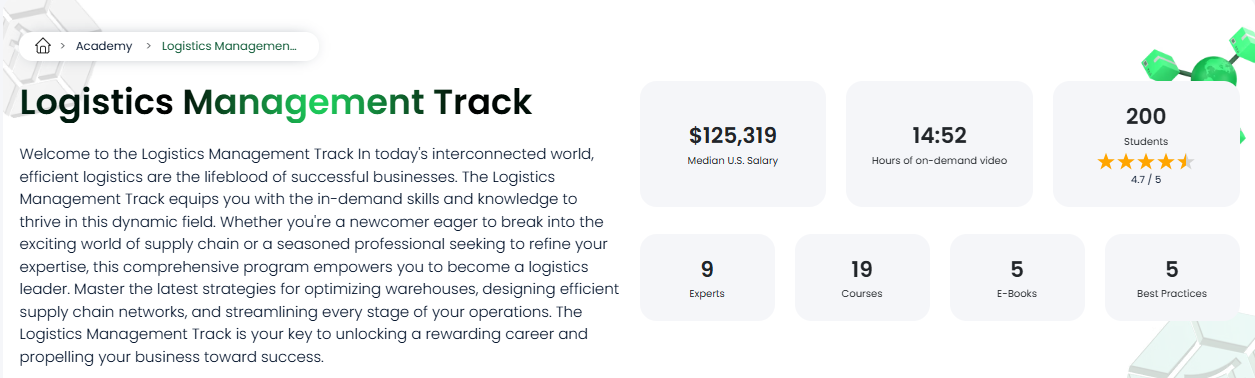
If you want to master reverse logistics workflows, cost optimization, and supply chain flow design, consider SCMDOJO’s Logistics Management Track.
This course series helps supply chain professionals build expertise in handling both forward and reverse logistics while improving profitability and sustainability.
Where is Reverse Logistics Applied?
Retailers, wholesalers, distributors, and other sectors can all use reverse logistics business models. The service industry, which includes businesses providing maintenance, repairs, vehicle and equipment rentals, also benefits from this type of logistics. Companies in the construction, food, and manufacturing sectors can also gain from reverse logistics.
It can be used for activities such as product recalls, customer returns, repairs and refurbishments, remanufacturing, recycling, disposal, resale, and equipment rentals.
However, because returned goods are resold, it has the most significant impact on the re-commerce market. This straightforward process helps retain customer loyalty and offers them the chance to purchase reasonably priced products from popular brands.
Reverse Logistics – Managing Supply Chain The Other Way Around – This SCMDOJO eBook provides a deep dive into returns management, remanufacturing, and circular economy strategies to maximize value recovery.

How to Start a Flipping Side Hustle?
Flipping involves purchasing undervalued items, restoring them, and then selling them for a profit. Finding products for resale, recognising market trends and prices, and skilfully improving the items through cleaning, repairs, or restoration are essential for a successful flipping reverse logistics business.
By listing your products on platforms such as Craigslist or Facebook Marketplace, you can reach a wider audience and sell them for more than your initial investment. Ultimately, growing your flipping business allows you to reinvest your earnings.
Generally, people flip furniture, electronics, tools, equipment, and home decorations. This side venture provides various benefits, including flexibility, low initial costs, and the chance for quick financial returns.
Bottom Line
If you want to start a side business involving flipping products and earning money through reverse logistics, you need a solid marketing plan and to stay updated with market trends. It requires considerable effort and focus to research, find, and catalogue items for sale.
Shipping logistics can be complex, and some products may sell slowly. Beginning on a small scale helps reduce risk and allows for gradual growth.
For supply chain professionals looking to optimize recovery workflows and align returns with production efficiency, SCMDOJO’s Production Planning Course offers a practical framework for balancing returns processing, remanufacturing, and forward production planning.
Ready to take your reverse logistics business model to the next level?
SCMDOJO’s Excess and Obsolete Inventory Policy Guide offers practical templates and procedures to minimize waste, manage returns, and recover maximum value from unsold or returned items.