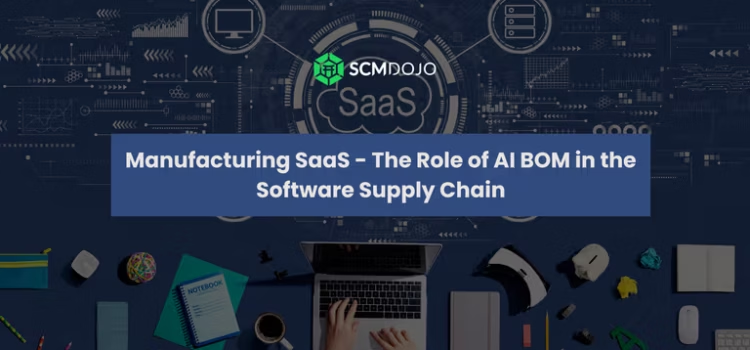
Explore how AI-Powered Manufacturing SaaS solutions are transforming production. This article highlights the top benefits of cloud-based platforms — from cost reduction and efficiency gains to smarter supply chain management through AI-driven BOM optimization. Discover why leading manufacturers are embracing digital transformation today.
Top Benefits of a Manufacturing SaaS The Role of AI BOM in the Software Supply Chain
Curious about how AI-Powered Manufacturing SaaS can revolutionize your business? This guide dives into the significant advantages of these cloud-based solutions, from reducing costs to boosting efficiency. Learn why manufacturers are making the switch and what benefits await your business.
Key Takeaways
- Manufacturing SaaS platforms reduce costs and enhance flexibility by operating on a pay-as-you-go model, allowing businesses to avoid hefty upfront investments.
- Key features such as real-time data sharing, scalable resource management, and improved collaboration streamline manufacturing processes and boost operational efficiency.
- Seamless integration and customization capabilities enable businesses to tailor solutions to their needs, facilitating growth and ensuring smooth operations across various systems.
Understanding Manufacturing SaaS Platforms

Manufacturing SaaS platforms, like OpenBOM, are a game-changer in the industry, falling under the largest market segment of cloud-based software. Unlike traditional on-premise systems that require significant investments in hardware and maintenance, SaaS platforms operate on a pay-as-you-go basis over the internet. This shift not only reduces upfront costs but also offers greater flexibility and scalability for users.
The transformation driven by advancements in technology has made SaaS a preferred choice for many manufacturers, facilitating the shift from rigid on-premise systems to more dynamic cloud-based solutions. These platforms are reshaping the industry by providing tools that enhance manufacturing operations, streamline processes, and improve overall efficiency.
One of the major concerns with cloud-based solutions is security. However, Manufacturing SaaS platforms implement robust security measures to protect sensitive data from cyber threats. With just an internet connection and a personal device, users can access these platforms from anywhere, making it easier to manage and monitor manufacturing processes.
Key Features of Manufacturing SaaS Platforms
One of the standout features of AI-Powered Manufacturing SaaS platforms is their ability to provide scalable resource management through cloud computing. This means manufacturers can quickly adapt to fluctuating demands without the need for substantial investments in additional hardware or software. This scalability allows businesses to grow and evolve smoothly, avoiding operational bottlenecks.
Real-time data sharing is another critical feature of AI-Powered Manufacturing SaaS that enhances operational efficiency. Immediate updates and collaboration among various departments ensure that everyone has instant access to the latest information on the platform. This level of connectivity can significantly improve decision-making processes, streamline operations, and provide real-time visibility, making it a key component of effective operations. Additionally, leveraging real-time insights can further enhance these benefits. The ray id plays a crucial role in this connectivity.
The multi-tenant architecture of these platforms supports multiple users on a single platform, optimizing resource use and reducing operational costs. This architecture allows manufacturers to share resources efficiently, leading to lower costs and improved performance across the board.
Enhancing Manufacturing Processes with SaaS
AI-Powered Manufacturing SaaS platforms offer real-time updates to production scheduling using live data. This enables manufacturers to respond swiftly to market changes.
This capability increases manufacturing responsiveness. Production schedules stay aligned with actual demand. Manufacturers can produce efficiently while considering lead times.
These platforms generate reliable, detailed production plans that optimize workflows and processes on the shop floor. Optimizing workflows boosts efficiency and drives continuous improvement.
Additionally, AI-Powered Manufacturing SaaS increases productivity and lowers production costs by minimizing non-value-added labor and waste through effective planning.
Inventory management is another area where AI-Powered Manufacturing SaaS excels. Real-time inventory intelligence ensures precise control and effective material planning.
It maintains optimal stock levels for smooth production and meets material requirements. QMS within these platforms manages quality, non-conformances, root causes, and audits.
Collaboration is significantly improved with SaaS platforms, as they allow teams to communicate and share data in real-time, regardless of their locations. This connectivity enhances operational efficiency and improve communication, ensuring timely delivery and high-quality products while also improving customer satisfaction.
Tools like SCMDOJO’s MRP Tool: A Best Practice Solution for Efficient Supply Chain Planning help manufacturers streamline production scheduling, manage inventory precisely, and optimize material requirements for smarter, AI-enhanced manufacturing.

Improving Supply Chain Operations

Supply chain management is a critical component of manufacturing operations, and Manufacturing SaaS platforms play a pivotal role in enhancing these operations management. Real-time analytics enhance supply chain visibility by ensuring timely responses to demand fluctuations. It enables manufacturers to maintain optimal inventory levels, avoiding stockouts or overstocking.
Predictive analytics help companies anticipate demand and adjust inventory accordingly. Better demand forecasting allows manufacturers to align production with market needs, ultimately improving customer satisfaction. Strategic planning and integration with enterprise resource planning systems helps unify all business processes, further improving operational efficiency.
These platforms enhance collaboration among suppliers, manufacturers, and distributors, ensuring better communication and coordination. Automating intricate global supply chain processes helps organizations handle complex logistics more efficiently.
Platforms like OpenBOM improve customer order management, including RFQs, POs, and inventory processes, further streamlining supply chain operations with MRP software and ERP software.
Accurate demand forecasting is critical for efficient manufacturing. SCMDOJO’s e‑book, Demand Forecasting Methods – The Ultimate Guide 2025, explains advanced forecasting techniques, including AI-driven predictive analytics, helping manufacturers optimize production and supply chain decisions.

Seamless Integration Capabilities
Seamless integration capabilities of manufacturing software SaaS platforms provide comprehensive data visibility across various manufacturing processes. Middleware solutions streamline interactions between different software systems, ensuring smooth data flow and operational continuity.
Tailored SaaS applications integrate seamlessly with legacy system, allowing businesses to maintain operational continuity while adopting new technologies. They connect to other systems like payroll, CRM, and warehouse management, ensuring a unified approach to data management.
Open APIs, integration-ready platforms, and rich marketplaces with top solutions characterize seamless integration in Manufacturing SaaS platforms. This ensures that businesses have access to a wide range of tools and applications that can enhance their operational efficiency.
Customization and Scalability
Customization allows small business to tailor solutions to fit their existing workflows and enhance business operations efficiency. This level of customization helps businesses maintain a competitive edge by offering unique operational capabilities, providing them with more control.
The scalability of custom SaaS platforms allows businesses to expand without significant disruptions. AI optimizes resource management, allowing companies to scale their operations efficiently without compromising performance.
This flexibility and scalability support business growth and improve customer satisfaction by enabling greater accuracy in accurate quotes and timely responses to market demands.
Cost Benefits of SaaS Platforms
Cost efficiency stands out as a major advantage of adopting Manufacturing SaaS platforms. They eliminate the need for large upfront capital expenditures on hardware and software, making them a cost-effective solution for cost control. Subscription-based models offer comprehensive production management tools without significant hardware investments.
Automatic updates ensure users always have access to the latest features and security improvements without significant costs. This save time and reduces the burden on IT staff and maintenance costs.
Lower initial costs and quicker returns on investment make SaaS platforms an attractive option for manufacturers aiming to manage budgets effectively while achieving higher profits and making smart decisions.
Adopting Manufacturing SaaS platforms can require upfront planning and justification. SCMDOJO’s course, Building the Business Case for Supply Chain Technology Implementations, provides guidance on creating compelling business cases, calculating ROI, and securing stakeholder buy-in for digital and AI-driven solutions.

Future Trends in Manufacturing SaaS

Advancements in AI and Natural Language Processing (NLP) are shaping the future of Manufacturing SaaS. NLP enables more intuitive user interactions through smarter chatbots and virtual assistants, simplifying navigation of complex systems. AI enhances security measures by constantly monitoring systems for anomalies and potential threats, ensuring data integrity and safety.
OpenBOM’s strategy focuses on transforming manufacturing company product lifecycle and operations using data, emphasizing decision support and future AI solutions. Integrating AI and advanced analytics into Manufacturing SaaS significantly improves product lifecycle management and operational efficiency, paving the way for smarter, more responsive manufacturing processes.
These trends indicate that Manufacturing SaaS platforms will continue to evolve, offering robust and intelligent solutions to meet the dynamic needs of the manufacturing industry.
Manufacturers embracing digital transformation can leverage SCMDOJO’s Supply Chain Digitalization (Bundle), which includes a full digitalization course and assessment tool. It equips businesses to adopt cloud-based SaaS platforms, integrate AI effectively, and future-proof operations.

Summary
Manufacturing SaaS platforms offer numerous benefits, from enhancing manufacturing processes and supply chain operations to providing seamless integration and customization. These platforms not only reduce costs but also support business growth and improve customer satisfaction.
As the industry continues to evolve, the adoption of Manufacturing SaaS platforms will become increasingly important. Embracing these technologies will enable manufacturers to stay competitive, drive efficiency, and achieve higher profits. The future of manufacturing is bright, and SaaS solutions are at the forefront of this transformation.
Frequently Asked Questions
How do Manufacturing SaaS platforms differ from traditional on-premise systems?
Manufacturing SaaS platforms distinguish themselves from traditional on-premise systems by providing a subscription-based model and cloud accessibility, which reduces hardware costs and enhances scalability and flexibility. This allows businesses to adapt quickly to changing needs without the burden of large upfront investments.
What are the key features of Manufacturing SaaS platforms?
Key features of Manufacturing SaaS platforms include scalable resource management, real-time data sharing, multi-tenant architecture, and robust security measures, ensuring efficient operations and data protection for manufacturers.
How do Manufacturing SaaS platforms enhance supply chain operations?
Manufacturing SaaS platforms enhance supply chain operations by leveraging real-time and predictive analytics to optimize management, facilitating collaboration among stakeholders, and automating complex processes. This leads to greater efficiency and responsiveness in supply chain activities.
What are the cost benefits of adopting Manufacturing SaaS platforms?
Adopting Manufacturing SaaS platforms offers significant cost benefits such as lower initial costs, elimination of large upfront capital expenditures, and reduced overhead. These advantages lead to quicker returns on investment and streamlined operations.
What future trends can we expect in Manufacturing SaaS?
We can expect the future of Manufacturing SaaS to focus on the integration of AI and Natural Language Processing to enhance user interactions, bolster security, and optimize operational efficiency. This will likely lead to more sophisticated and streamlined manufacturing processes.