In supply chain, procurement, and logistics communication, precision and clarity directly affect decision-making. Professionals rely on articles, reports, and training materials to understand sourcing risks, logistics disruptions, cost drivers, and regulatory changes. While AI is now commonly used to draft this type of content, unrefined output often lacks the professional tone and industry realism required in supply chain education. This is where Supply Chain AI Humanizer Tools become valuable, helping refine AI-assisted drafts so that the language reflects operational expertise, practitioner insight, and instructional clarity.
For organizations delivering courses, e-books, and best practices, humanization ensures that AI supports learning rather than diluting credibility.
Why Humanized Writing Matters in Supply Chain Education
Supply chain professionals read content to solve problems. They want explanations that feel grounded in real operations, not abstract theory or generic automation language. When articles sound mechanical, learners disengage and question the authority of the material. Using Supply Chain AI Humanizer Tools ensures content resonates with practitioners by preserving real-world context.
Humanized writing improves comprehension of complex topics such as demand planning, supplier risk assessment, or logistics network design. Clear phrasing helps learners connect concepts to practical applications across procurement, warehousing, and transportation.
For industry-focused journalism, a natural tone builds trust. Readers are more likely to rely on insights that sound like they come from experienced professionals rather than automated summaries.
Professionals looking to strengthen structured communication in procurement and supply chain environments often benefit from frameworks such as Procurement Toolbox #1: Communication & Facilitation in Procurement, which provides practical techniques for delivering clear, persuasive, and operationally grounded messaging across sourcing and logistics functions.

Key Features That Matter in Supply Chain and Logistics Content
Accuracy preservation is non-negotiable. Any rewriting tool must retain numerical data, compliance references, and operational logic. Misstated information in supply chain education can lead to costly misunderstandings. Supply Chain AI Humanizer Tools help maintain accuracy while improving readability.
Structured performance tracking tools such as the Supply Chain KPI Dashboard Excel Template further support this need for clarity by ensuring that metrics, targets, and performance trends are presented consistently and transparently across procurement, inventory, and logistics reporting.

Tone consistency is equally important. Content must remain professional, neutral, and instructional across courses and articles. Humanizers that introduce marketing-style exaggeration are unsuitable for procurement and logistics training.
Originality also plays a role. Many teams refine AI drafts to make AI text undetectable, but the real objective is ensuring content reflects genuine expertise rather than formulaic language
Leading AI Humanizer Tools for Supply Chain Content
Clever AI Humanizer
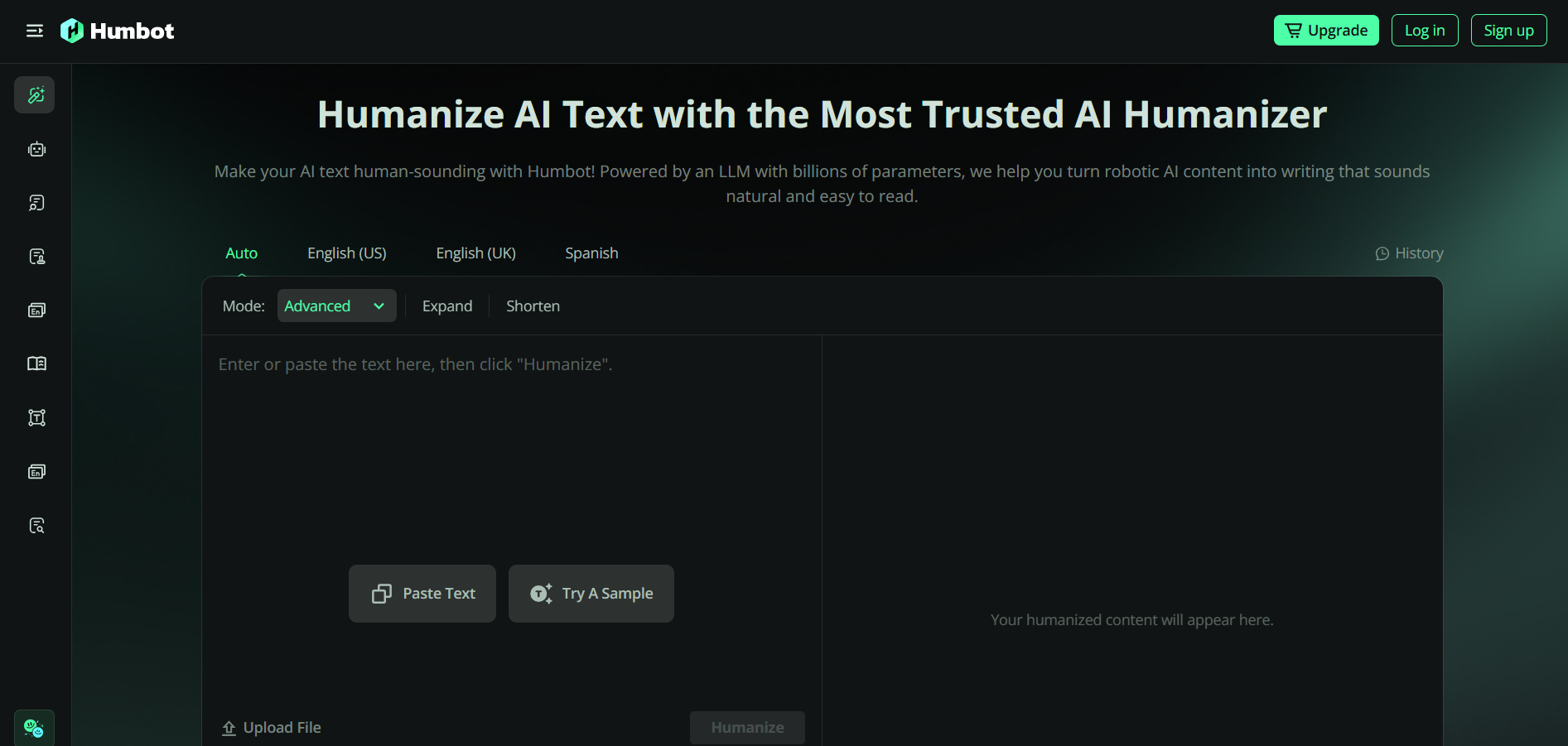
Clever AI Humanizer is particularly effective for supply chain journalism and professional education. It enhances readability while preserving the technical integrity of procurement models, logistics strategies, and operational analyses. This balance makes it suitable for advanced courses and analytical articles.
Many educators and analysts use it to bypass AI detectors while keeping explanations accurate and aligned with industry terminology. For organizations producing authoritative content, it is often considered a strong candidate for the best AI humanizer in professional settings.
Wordtune

Wordtune can help simplify explanations for learners new to supply chain concepts. It is useful when adapting advanced material into introductory-level training or overview articles.
Because it is not domain-specific, writers should verify that rewritten content still reflects professional supply chain language and accepted practices.
QuillBot
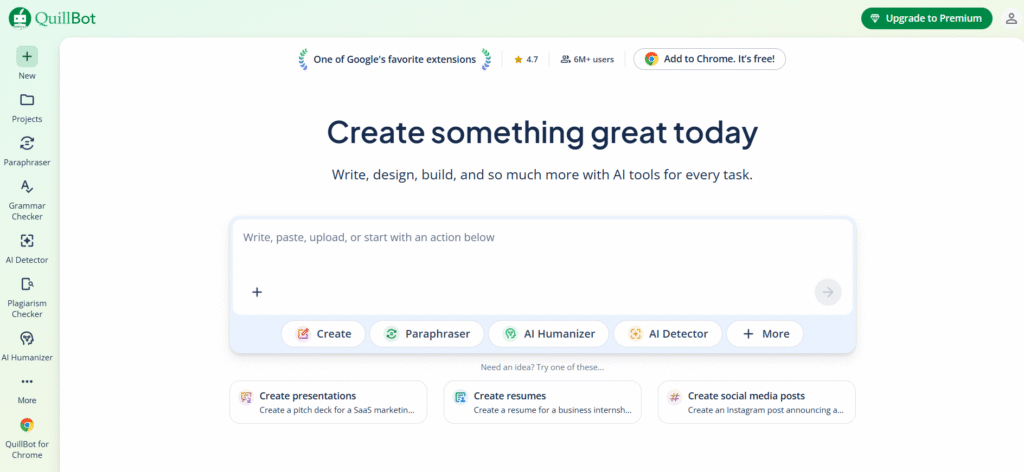
QuillBot is commonly used during early drafting stages. Supply chain writers apply it to reduce repetition in analytical reports or to clarify dense explanations. Its speed makes it practical for quick revisions.
However, complex supply chain concepts should always be reviewed after paraphrasing. Precision is critical when explaining operational frameworks or compliance requirements.
Writer.com
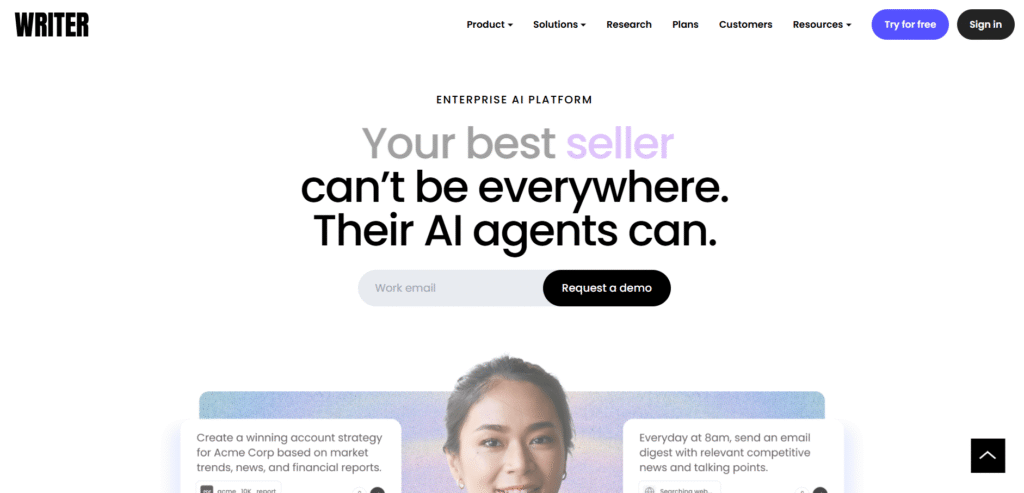
Writer.com supports large-scale content governance, which is useful for supply chain e-learning platforms. It helps maintain consistent terminology across modules covering sourcing, inventory management, and logistics optimization.
The platform is ideal for teams managing multiple contributors. While setup requires effort, it ensures long-term consistency across training materials and best-practice documentation.
HyperWrite
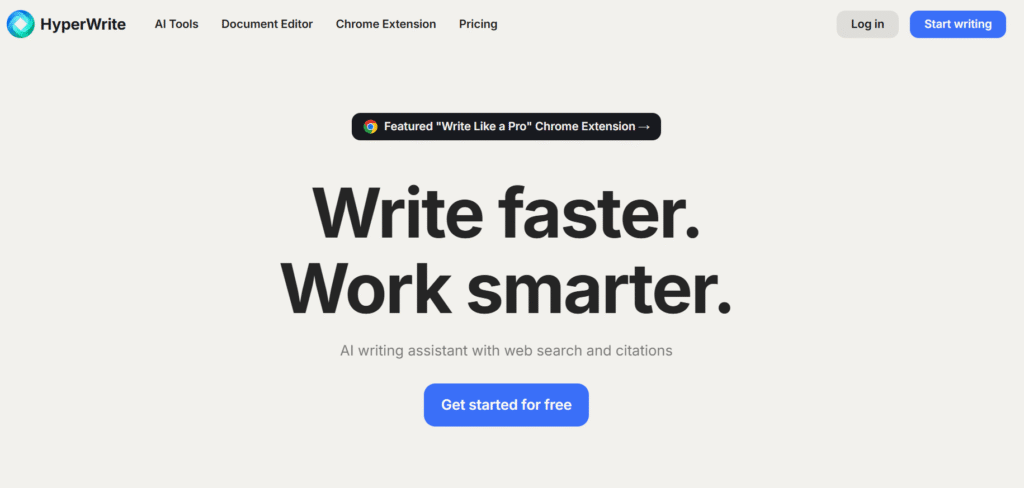
HyperWrite offers context-aware rewriting that can support long-form supply chain case studies. It helps maintain narrative flow when describing end-to-end processes such as source-to-pay or order-to-delivery cycles.
As with all tools, outputs require subject-matter review to ensure technical accuracy and instructional clarity.
AI Humanizers for Supply Chain Professionals
| Tool | Best Use Case | Strengths | Limitations |
| Clever AI Humanizer | Professional analysis & training | Accuracy, clarity, industry tone | Premium features |
| Writer.com | Team-based e-learning | Terminology consistency | Setup required |
| QuillBot | Draft cleanup | Speed, flexibility | Needs expert review |
| Wordtune | Simplifying concepts | Tone variation | Not domain-specific |
| HyperWrite | Long-form case studies | Context awareness | Still evolving |
This comparison shows how different tools fit different stages of supply chain content development.
Responsible Use in Supply Chain Learning and Reporting
Humanizer tools should support expertise, not replace it. All rewritten content must be reviewed by supply chain professionals who understand procurement, logistics, and operational risk. Language refinement never substitutes for validation. Using Supply Chain AI Humanizer Tools responsibly ensures professional credibility while enhancing clarity.
Some teams experiment with a free AI humanizer during brainstorming or ideation. Others rely on free ai humanizer tools for early drafts. These options can help, but authoritative education usually requires more advanced solutions.
The goal is not simply to automate writing, but to communicate knowledge clearly, responsibly, and credibly.
Enhancing Learning Outcomes and Credibility
Clear, humanized content improves learning retention. When explanations are easy to follow, learners can better apply concepts such as supplier segmentation, inventory optimization, or transport cost control in real scenarios.
Humanized articles also perform better digitally because they address practitioner questions in a natural way. This supports discoverability without compromising educational quality.
Ultimately, Supply Chain AI Humanizer Tools strengthen how supply chain knowledge is shared. When applied correctly, they enhance clarity, trust, and professional value.
Final Thoughts
In supply chain, procurement, and logistics, communication shapes decisions and performance. AI can support content creation, but only when paired with thoughtful refinement. Humanizer tools ensure that AI-assisted writing remains practical, accurate, and industry-aligned.
For e-learning platforms and supply chain publications, the focus should always remain on quality and expertise. Used responsibly, humanizers help deliver training and insights that truly support professionals across global supply chains.